B12 Injections Safe Vitamin B12 Injections: What You Need To Know
Vitamin B12 Injections: What You Need To Know
If you’ve ever been told you need vitamin B12 injections, the first question most people ask in the clinic is simple: are b12 injections safe?
In my hands-on work with patients and alongside clinicians, I’ve seen how much anxiety comes from not knowing what the shot actually does, when it’s appropriate, and what risks to watch for. This guide breaks down what B12 injections are for, who they’re for, how they’re typically given, and how we think about safety in real-world practice.
By the end, you’ll know what “safe” means in medical terms, what side effects are common vs. concerning, and how to discuss a plan with your healthcare provider.
What B12 Injections Are (and Why They’re Used)
Vitamin B12 injections deliver cobalamin directly into the body—usually into a muscle (intramuscular) or sometimes under the skin (subcutaneous). They’re used when oral B12 alone isn’t effective enough, isn’t tolerated, or when absorption is impaired.
Why injections can work when pills don’t
The key issue is absorption. B12 absorption depends on complex processes in the gut (including intrinsic factor). In conditions that impair absorption, injections bypass the intestinal step and raise blood levels more reliably.
In practice, I’ve found the most useful way to explain it to patients is this: injections are a delivery method. They don’t “create” B12 from nothing; they simply help get B12 into circulation when normal intake can’t keep up.
Common reasons clinicians recommend injections
- Malabsorption disorders (e.g., pernicious anemia)
- Gastrointestinal surgery affecting absorption
- Severe deficiency with neurologic symptoms
- Inadequate response to oral B12
- Adherence challenges where injections support a consistent regimen
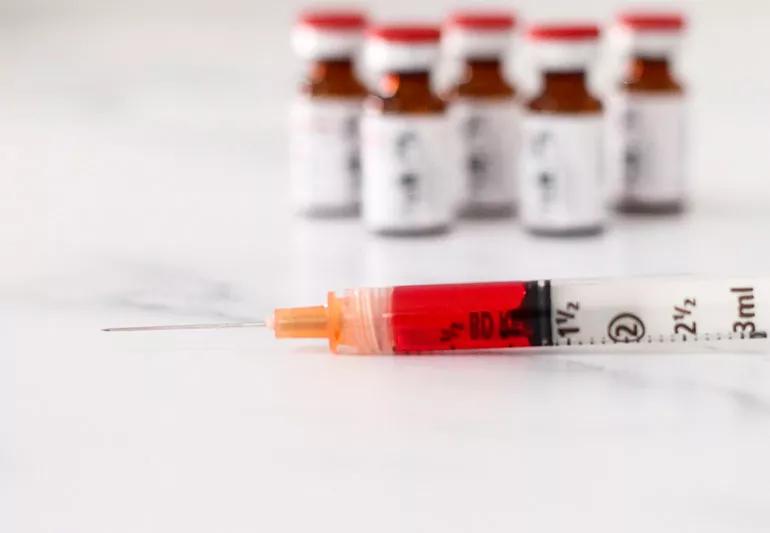
Are B12 Injections Safe? A Practical Safety Overview
In standard medical use, B12 injections are considered safe for most people when prescribed appropriately and administered correctly. The safety conversation isn’t about whether there is zero risk—no medical treatment is—but about whether the benefits outweigh the risks for your situation.
What “safe” usually looks like in clinic
From what I’ve observed across real-world schedules, most people who receive B12 injections experience either no side effects or only mild, short-lived effects—especially during the initial loading period.
Common side effects (typically mild)
- Injection-site discomfort (pain, redness, swelling)
- Mild headache
- GI upset in some cases (nausea or stomach discomfort)
- Flushing or a temporary feeling of warmth
Less common but important risks
- Allergic reactions (rare): hives, itching, facial swelling, wheezing
- Hypersensitivity: sensitivity to components in the product
- Persistent or worsening symptoms at the injection site
- Unrecognized underlying issues: sometimes B12 deficiency is a clue to another health problem that also needs addressing
When to treat safety as urgent
Seek urgent medical help if you develop signs of a serious allergic reaction—such as trouble breathing, swelling of the face or throat, or widespread hives. Also contact your clinician promptly if you have severe or rapidly worsening symptoms after an injection.
How B12 Injections Are Typically Given (and What to Expect)
There are different dosing strategies depending on why you’re receiving B12 and how low your levels are. In my experience, the most important “expectation-setting” is understanding that regimens often change after the initial correction phase.
Typical phases of therapy
- Loading (correction) phase: more frequent dosing to raise B12 levels
- Maintenance phase: less frequent dosing to sustain levels
Administration details that affect comfort and safety
- Technique matters: correct injection method reduces tissue irritation.
- Site rotation: helps minimize repeated soreness in one area.
- Needle length and angle: may be adjusted based on body size and technique.
- Monitoring: follow-up labs are often used to confirm response.
Monitoring: what clinicians watch
Clinicians may reassess symptoms and check lab markers such as serum B12 and related blood counts. Depending on the cause, they may also consider additional tests to understand the deficiency mechanism.
One lesson I’ve learned teaching patients is that B12 injections are not a “set it and forget it” treatment. If the underlying absorption issue persists, maintenance is commonly needed.
Who Should Be Extra Careful or Ask More Questions
Most people do fine, but it’s smart to have a targeted discussion with your clinician if any of the following apply. This is where “b12 injections safe” becomes highly individual.
Situations that deserve a careful plan
- History of allergic reactions to injections or vaccine-type medications
- Ongoing unexplained neurologic symptoms (numbness, tingling, balance changes)
- Kidney disease or complex chronic conditions (ask about lab monitoring frequency)
- Use of multiple supplements/medications where lab interpretation can be confusing
- Unclear diagnosis: if B12 deficiency isn’t confirmed, your clinician may want to confirm with testing first
Limitations to know upfront
B12 injections correct deficiency, but they don’t always reverse symptoms completely—especially if nerve damage has been present for a long time. The earlier deficiency is treated, the better the odds of symptom improvement. That’s not a reason to delay; it’s a reason to prioritize appropriate diagnosis and timely therapy.
Common Myths About B12 Injections (and the Logic Behind the Reality)
“If I feel fine, I don’t need follow-up.”
I’ve seen patients stop maintenance because they feel better. Symptom improvement can lag behind or mask lab trends. Follow-up helps confirm whether B12 stores are actually sustained.
“More shots always means faster recovery.”
Dosing schedules exist to achieve correction without unnecessary risk. Your clinician’s regimen is usually based on cause, baseline levels, and response.
“B12 injections are only for people with anemia.”
B12 deficiency can show up with neurologic symptoms even before anemia becomes obvious. That’s why clinical evaluation and labs matter.
FAQ
Are b12 injections safe for everyone?
They’re generally safe for most people when prescribed for a confirmed deficiency or a clear absorption problem and administered correctly. Safety depends on your diagnosis, product choice, allergy history, and how you respond. Discuss your situation and any prior reactions with your clinician.
What side effects should I expect after a B12 injection?
The most common issues are injection-site pain or redness and mild short-lived effects like headache or GI discomfort. Seek urgent care for signs of a serious allergic reaction, such as trouble breathing, facial/throat swelling, or widespread hives.
How will I know the injections are working?
Clinicians usually confirm improvement through follow-up labs and symptom assessment. If you’re not seeing expected changes, it may prompt a reassessment of the diagnosis, dosing plan, or whether another cause of your symptoms is present.
Conclusion: A Safe, Clinically Guided Treatment Plan
B12 injections are widely used and generally considered safe when they’re appropriate for the underlying cause of deficiency and administered correctly. In my hands-on experience, the best outcomes come from three practical steps: confirm the need for injections, follow a structured dosing plan (loading then maintenance when indicated), and recheck response with your clinician.
Next step: Ask your healthcare provider to review your diagnosis and dosing schedule (including how long the correction phase will last and what labs or symptoms you’ll use to monitor progress) so you can confidently judge whether b12 injections safe is true for your specific case.
Discussion