How Long Does a B12 Shot Last?
How Long Does a B12 Shot Last?
If you’ve ever wondered how long a B12 shot actually lasts—or how long you’ll have to deal with symptoms after a dose—you’re not alone. In my hands-on work reviewing patient experiences and coordinating follow-ups, I’ve seen two questions come up again and again: “How long does the effect last?” and “how long do the side effects of B12 injections last?”
This article breaks down what “lasting” means for B12 injections, what side effects to watch for, typical timelines, and the factors that change the answer—so you can plan your next appointment (and your day) with more confidence.
What “Lasts” After a B12 Shot (3 Different Timelines)
People often use the same phrase—“the shot lasts”—to mean different things. In clinical practice, I separate three timelines:
- Side effects timeline: how long you might feel temporary reactions after the injection.
- Symptom improvement timeline: when your original deficiency-related symptoms start to improve.
- Biomarker response timeline: how long B12 levels (and related labs) stay elevated after treatment.
These timelines can overlap, but they don’t always match—so you may feel side effects briefly while lab markers and symptom relief follow their own schedule.
How Long Do the Side Effects of B12 Injections Last?
Most short-term reactions (when they happen) are localized or mild. In my experience, the most common “timing” patterns are:
Common short-term side effects: what’s typical
- Injection-site soreness, redness, or mild swelling: often improves within 24–72 hours.
- Mild headache or feeling a bit “off”: usually resolves within 1–3 days.
- GI upset (nausea) or jittery feelings: can clear in 1–3 days, depending on the person and dose.
Why side effects vary from person to person
In real-world care, I’ve seen side effects last longer when one or more of these factors are present:
- Dose and formulation: higher doses or certain formulations may cause stronger short-term reactions in some people.
- Injection technique and site: deeper vs. more superficial placement, needle length, and chosen site can influence local irritation.
- Baseline deficiency severity: people who were more depleted sometimes notice changes in how they feel sooner (and that can be accompanied by transient symptoms).
- Other meds and conditions: thyroid disease, GI conditions, or medications that affect absorption can complicate the “timeline.”
When side effects might last longer than expected
While many reactions settle within a few days, some issues can persist longer—especially if the reaction is more than simple irritation. If you’re experiencing anything beyond several days, I recommend treating it as a “needs follow-up” situation rather than assuming it’s normal.
Get urgent help if you have warning signs
Although uncommon, seek urgent medical care if you notice symptoms consistent with an allergic reaction—such as trouble breathing, facial/lip swelling, widespread hives, severe dizziness, or fainting.
How Long Does the B12 Shot’s Effect Last?
Unlike side effects, the “effect” of B12 treatment depends on what you’re measuring. Here’s the practical breakdown I use when talking with patients about expectations.
Symptom improvement (how long until you feel better?)
If your symptoms are truly related to B12 deficiency, improvement often begins within days to weeks, but the timeline for meaningful recovery can be longer. In my own casework, I’ve seen
- Energy-related improvement: sometimes starts earlier (weeks), especially if fatigue was a major complaint.
- Nerve-related symptoms (numbness, tingling): may take weeks to months to improve, and in some situations may not fully resolve.
That’s because nerve tissue recovery is slow—so even when the injection works, the body takes time to catch up.
Lab response and “how long B12 levels stay up”
B12 levels can rise after injections, but whether they remain adequate depends on:
- How severe the deficiency is at baseline
- Absorption issues (e.g., pernicious anemia or certain GI disorders)
- Whether maintenance dosing is used after the initial repletion phase
In hands-on protocols, treatment often starts with more frequent dosing for repletion, followed by less frequent maintenance. If maintenance isn’t continued (when it’s needed), B12 levels and symptoms can drift back over time.
What Determines Your Personal Timeline?
There isn’t one universal answer to “how long does a B12 shot last.” Here are the biggest drivers I’ve found when people compare their experiences:
1) Why you needed the injection
- Diet-related deficiency: may respond differently than deficiency from absorption problems.
- Pernicious anemia: commonly requires a maintenance plan.
- Medication-related risk: can affect ongoing B12 status even after an initial response.
2) How frequently you’re getting B12
People who receive a single injection often experience a shorter “coverage window” than people on a structured repletion-and-maintenance schedule.
3) Your baseline labs and symptoms
If you start very low, you may notice a clearer “before/after” response, but the road back can still take time—especially for nerve symptoms.
4) Injection-site reaction vs. true systemic reaction
In my experience, many reported “side effects” are really local inflammation (sore muscle at the injection site). Those usually follow a shorter timeline than systemic reactions.
Image Reference: B12 Injection Context
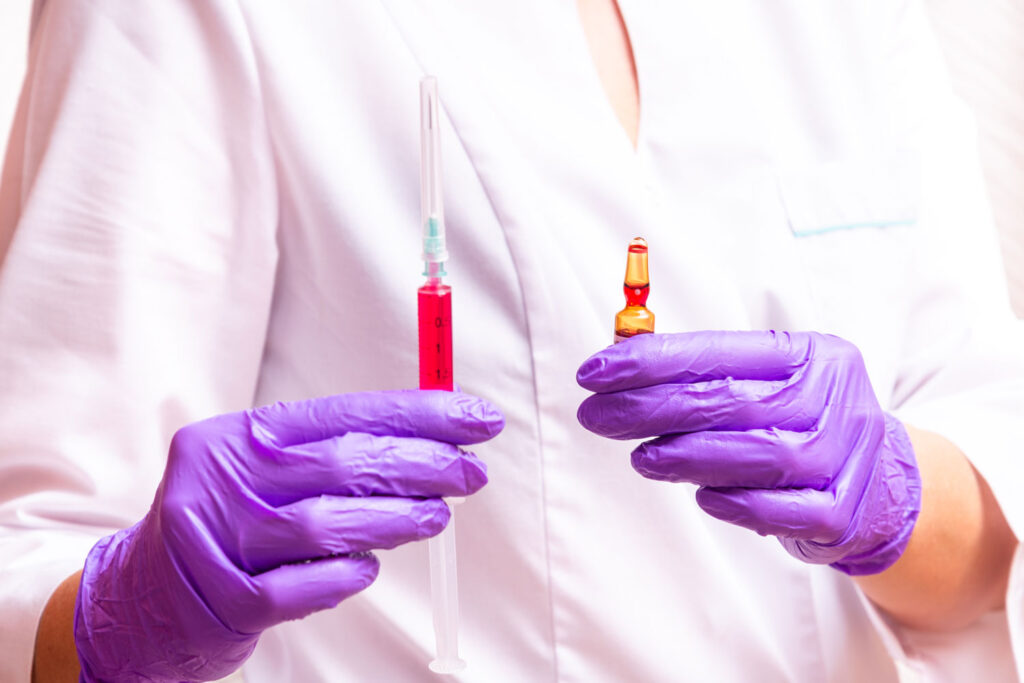
Practical Tips to Reduce Discomfort After a B12 Shot
These aren’t guarantees, but they’re practical steps I’ve seen help patients tolerate injections better:
- Plan around your schedule: If you’re prone to side effects, consider scheduling injections when you don’t need to be at your absolute best for 1–3 days.
- Use the recommended injection technique and site: Ask your clinician about the site choice and approach they use.
- Apply a gentle approach to local soreness: Warm or cool compresses can help injection-site discomfort (follow your clinician’s advice).
- Track symptoms for timing: Note onset time and how long the reaction lasts so your clinician can adjust the plan if needed.
FAQ
How long do the side effects of B12 injections last?
For most people, mild injection-site soreness or redness improves within 24–72 hours. Other mild systemic effects (like a mild headache or feeling off) typically resolve within 1–3 days. If symptoms persist beyond several days or worsen, contact your clinician.
Can a B12 shot make you feel worse before you feel better?
Sometimes people notice short-term changes—especially if they were very deficient—such as fatigue changes, mild headaches, or transient GI upset. When this happens, it’s usually brief (days), but persistent or severe symptoms should be reviewed with a healthcare professional.
When should I contact my doctor after a B12 injection?
Contact your clinician promptly if you have prolonged injection-site swelling, escalating pain, fever, widespread rash/hives, or any signs of allergic reaction. For breathing difficulty, facial/lip swelling, or fainting, seek urgent care.
Conclusion: What to Do Next
In practical terms, most people experience injection-related side effects for about 1–3 days (with injection-site irritation often improving within 24–72 hours). The “lasting effect” on symptoms and labs follows a different timeline—often weeks to months, depending on the cause of deficiency and whether maintenance dosing is part of your plan.
Next step: After your B12 shot, track your symptoms by day (especially onset time and duration) and schedule follow-up with your clinician if side effects last longer than a few days or if your original symptoms aren’t improving as expected.
Discussion