pros and cons of vitamin b12 injections Benefits of B12 Injections
Pros and Cons of Vitamin B12 Injections: Benefits, Drawbacks, and Who They’re Actually For
If you’re considering vitamin B12 injections, you’ve probably run into the same frustrating question I did during my first few rounds of client research: “Will this help me fast, or am I just paying for an unnecessary procedure?” When someone searches for the pros and cons of vitamin b12 injections, they usually want practical clarity—especially about whether injections are truly better than oral supplements for their situation.
In this guide, I’ll walk you through the real-world benefits and limitations of B12 shots, the common reasons people get them, what to watch for, and how to decide whether injections make sense. I’ll also share the types of lab results and scenarios I’ve seen where injections are clearly justified versus where they’re often overkill.
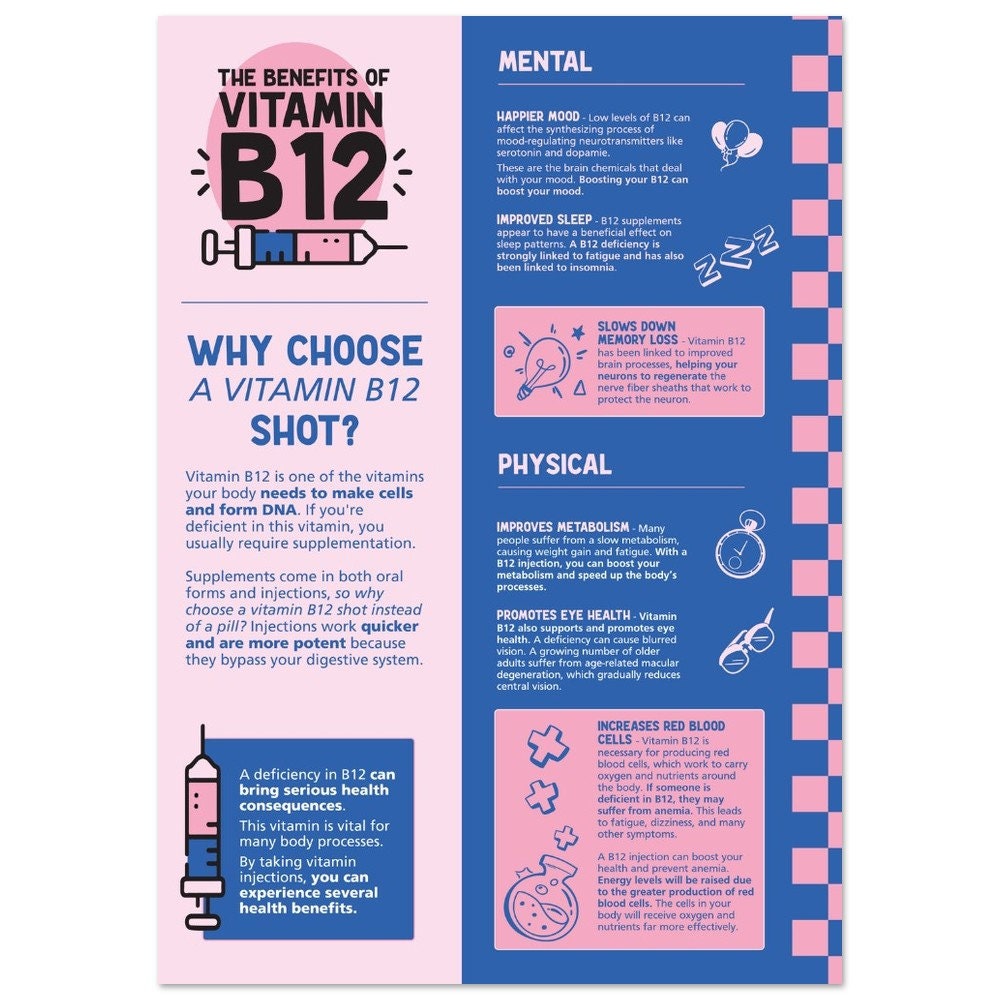
What B12 Injections Are (and Why People Choose Them)
Vitamin B12 injections deliver cobalamin directly into the body, typically via intramuscular (IM) or sometimes subcutaneous (subQ) administration. People pursue B12 injections for two main reasons:
- They need to correct deficiency quickly—especially when symptoms are progressing or when oral absorption is unreliable.
- They can’t absorb B12 well due to gut conditions or medication effects.
In my hands-on work reviewing supplementation plans, the key differentiator isn’t the “power” of injections in a vacuum—it’s absorption. If your intestines can absorb B12, high-dose oral forms may work just as well for many people. If absorption is impaired, injections can bypass the problem and deliver consistent dosing.
Benefits of B12 Injections (Pros)
1) Faster correction when absorption is impaired
One of the strongest advantages of injections is reliable delivery when the gut can’t do the job. I’ve seen cases—particularly with malabsorption—where oral supplements didn’t produce the expected lab improvements, while injection-based regimens improved B12 status more predictably.
This is often the core reason clinicians consider B12 injections for:
- Pernicious anemia (autoimmune loss of intrinsic factor)
- Gastrointestinal malabsorption (e.g., certain inflammatory or surgical conditions)
- Persistent deficiency despite oral therapy
2) Predictable dosing and adherence
In real life, adherence matters. A weekly or monthly injection plan can be easier to follow than daily pills—especially for people who forget doses or experience stomach side effects from oral products. When we planned supplementation routines for busy schedules, injections often reduced “missed-dose” gaps.
3) Symptom support in specific deficiency scenarios
B12 deficiency can affect energy, nerve function, and blood health. While you may not feel instant changes, correcting deficiency can support recovery over time—particularly for neurologic or hematologic issues under clinician guidance.
4) Useful when you need medical oversight
B12 shots are commonly integrated into broader care: follow-up labs, monitoring response, and checking related markers (like folate, and sometimes methylmalonic acid or homocysteine depending on the clinical plan). That structured approach can improve outcomes when deficiency is part of a larger health picture.
Limitations and Risks (Cons)
1) Not always “better” than oral B12
This is the biggest practical limitation I want you to take seriously: injections are not automatically superior for everyone. For many people with adequate absorption, high-dose oral B12 can raise levels effectively. If your deficiency is mild and absorption is intact, injections may add cost and inconvenience without meaningful added benefit.
2) Side effects can happen
Most people tolerate B12 injections well, but possible downsides include:
- Injection site discomfort (pain, redness, swelling)
- Headache or mild flu-like feelings
- Allergic reactions are uncommon but possible with any injectable medication
In my experience reviewing patient feedback, discomfort is one of the most common “break-the-routine” issues—especially if injections are self-administered without proper technique or if doses are more frequent than necessary.
3) Cost and access hurdles
Compared with tablets or sublingual B12, injections can cost more and may require a clinic visit or a supply setup for self-injection. If you don’t actually need injections for absorption reasons, the cost-benefit ratio often looks less favorable.
4) Need for appropriate diagnosis and monitoring
Another real-world con: people sometimes treat symptoms without confirming deficiency. Fatigue, tingling, or “brain fog” can come from many causes (iron deficiency, thyroid issues, sleep disorders, medication effects, and more). If you skip proper testing, injections may not address the real problem.
When B12 deficiency is confirmed, monitoring matters—especially if you have neurologic symptoms or significant anemia. The goal isn’t just to inject; it’s to correct and confirm response.
Who B12 Injections Typically Benefit Most (and Who May Not Need Them)
To make the pros and cons of vitamin b12 injections decision clearer, here’s how I generally frame the “fit.” This isn’t medical advice, but it reflects the patterns I’ve seen in real-world supplementation plans.
| Situation | Why it matters | Injection practicality |
|---|---|---|
| Confirmed B12 deficiency with malabsorption | Oral intake may not be absorbed reliably | Often a strong option |
| Pernicious anemia | Intrinsic factor loss affects natural absorption | Commonly appropriate |
| Mild low B12 with good absorption | High-dose oral can be sufficient | May be unnecessary |
| Symptoms without confirmed deficiency | Symptoms can have many non-B12 causes | Not a substitute for diagnosis |
| Difficulty adhering to daily pills | Consistency drives outcomes | Can help adherence |
Benefits of B12 Injections: What to Expect During Treatment
People often want a timeline, but the honest answer is: response varies by baseline deficiency severity and the body’s underlying needs. In practical terms, here’s what I advise clients to plan for:
- Short-term: injection site effects and gradual improvement in energy-related symptoms (if deficiency is a major driver).
- Medium-term: lab improvement and reduced risk of deficiency-related complications.
- Long-term: maintenance plan tailored to the cause (absorption issue vs dietary intake vs medication effect).
If you’re dealing with neurologic symptoms (like persistent tingling or numbness), it’s especially important to involve a clinician promptly—because earlier correction can matter for outcomes.
How to Decide: A Simple Decision Checklist
When I help teams evaluate whether to choose injections, I use a lightweight checklist focused on cause, diagnosis, and practicality:
- Have you confirmed deficiency with labs? (and ideally identified contributing causes)
- Is absorption likely impaired? (gut conditions, intrinsic factor issues, certain surgeries, or relevant medication use)
- Did oral therapy fail or cause problems?
- Can you sustain treatment reliably? (time, cost, comfort, access)
- Will you monitor response? (so you’re not guessing)
This approach turns the pros and cons of vitamin b12 injections from a generic debate into a personalized decision.
FAQ
Are vitamin B12 injections better than oral supplements?
They can be, when B12 absorption is impaired or when oral therapy fails. For people with normal absorption and confirmed mild deficiency, high-dose oral B12 may be sufficient—so injections aren’t automatically “better.” The deciding factor is the underlying cause and documented response.
How quickly do B12 injection benefits show up?
Some people notice changes in energy within weeks, but the timeline depends on how low B12 was, whether other deficiencies exist, and the cause of deficiency. Symptom improvement and lab normalization may not move at the same pace, and neurologic symptoms can take longer.
What are common side effects of B12 injections?
The most common issues are injection site discomfort and mild, temporary side effects like headache. Serious allergic reactions are uncommon but possible with any injectable product. If you experience rash, swelling, or breathing difficulty, seek urgent medical care.
Conclusion: Make the Pros Beat the Cons
The real value of vitamin B12 injections comes from one thing: reliable correction when oral absorption isn’t dependable. The pros include predictable dosing, potential faster correction in the right scenarios, and better adherence for some people. The cons are that injections aren’t always necessary, can cause injection site discomfort, may cost more, and shouldn’t replace proper diagnosis.
Next actionable step: If you’re considering injections, start by confirming whether you truly have B12 deficiency (and the likely cause) and discuss an evidence-based plan for monitoring response—so you’re choosing the right route, not just the fastest-looking one.
Discussion