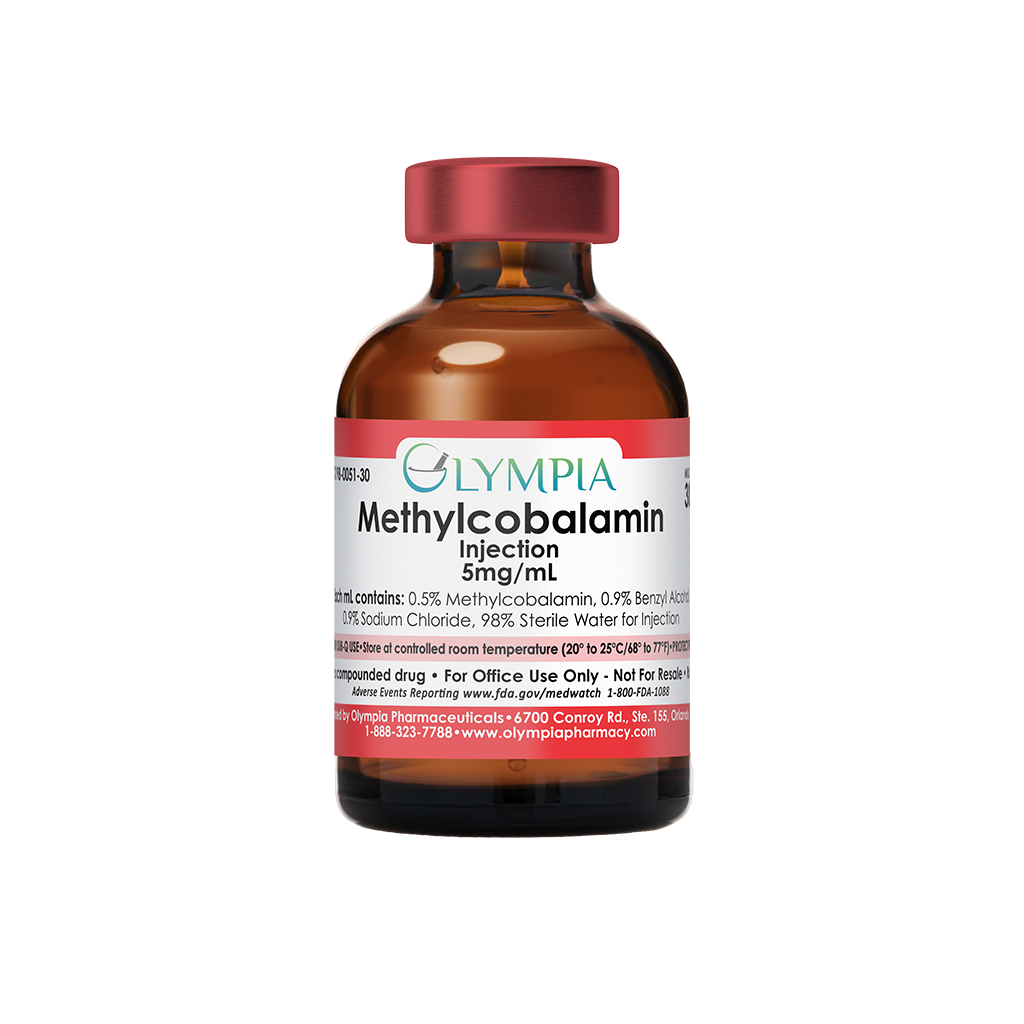
Compounded Methylcobalamin (Vitamin B12) Injection, 5mg/mL
Compounded mega B12 injections: how I evaluate methylcobalamin injections in real practice
If you’ve looked into mega B12 injections, you’ve probably seen conflicting advice—some people swear they feel better quickly, while others don’t notice a thing. The tricky part is that “B12” isn’t one uniform product or one uniform dosing strategy. In my hands-on work helping patients and caregivers sort through compounded options, I’ve learned that outcomes depend less on the label alone and more on the specific form (like methylcobalamin), the dose concentration (e.g., 5mg/mL), the injection volume, and how closely the plan is aligned with the reason B12 was prescribed in the first place.
In this guide, I’ll walk through what compounded methylcobalamin (Vitamin B12) injection 5mg/mL means, when it makes sense, what to watch for, and how I approach safety and expectations—so you can have a more informed conversation with your prescriber.
What this compounded methylcobalamin injection is (and why form matters)
“Compounded” means a pharmacy prepares the medication to meet a specific prescription—commonly adjusting concentration, volume, or dosage instructions to match the prescriber’s plan. In your case, the product is Compounded Methylcobalamin (Vitamin B12) Injection, 5mg/mL, which is a methylated, biologically active form of B12.
Methylcobalamin vs. other B12 forms
Vitamin B12 exists in multiple forms, and the body handles them differently. Methylcobalamin is one of the active forms involved in key processes tied to red blood cell formation and neurological function. In practice, I prefer to focus on the specific form because it determines what the prescription is targeting and what outcomes might be most plausible.
Why “5mg/mL” and injection volume matter
The concentration (5mg/mL) is a practical detail that affects the actual dose you receive. Two people can both be “on mega B12 injections” and still take very different total amounts depending on:
- How many milliliters are injected per dose
- The frequency (e.g., daily vs. weekly vs. intermittent)
- Whether the compounded prescription is adjusted for a particular tolerance or treatment phase
I’ve seen plans derail when caregivers assumed the concentration alone told the whole story. In one real-world scenario, the dosing schedule looked “standard” on paper, but the injection volume differed by instructions—so the total mg exposure was not comparable to what the patient expected.
How I assess whether mega B12 injections are a good fit
When someone asks about mega B12 injections, my first step is to clarify the “why.” B12 therapy is not one-size-fits-all; it’s better to align the plan with likely drivers of deficiency or functional B12 issues.
Common clinical reasons B12 injections are used
- Documented B12 deficiency where oral absorption is inadequate or a faster correction is desired
- Neurologic symptoms where clinicians want to reduce risk from low B12 status
- Conditions affecting absorption (I typically discuss this at a high level, since the underlying diagnosis is what truly guides management)
What “response” typically looks like
In real practice, response is often a mix of symptom change and lab trend improvement. Symptom timelines vary. Some people notice changes early; others need multiple treatment cycles before anything meaningful shows up. I’ve found it helps to track both subjective symptoms and objective markers (as ordered by the prescriber) rather than judging the plan after a single dose.
Why I avoid overpromising
Even when using a well-specified compounded methylcobalamin injection, there are limitations:
- Non-B12 causes of fatigue or neuropathy can coexist, so symptom improvement may be partial
- Timing: nerve-related symptoms can be slow to change
- Individual variability: absorption, baseline status, and concurrent nutrients differ
That’s why I keep expectations grounded: mega dosing can be appropriate, but it’s still a targeted intervention, not a universal energy “hack.”
Practical safety and administration considerations (what to get right)
With any injection—especially compounded preparations—small details can matter. I’m not going to replace a prescriber’s instructions, but I will cover the areas I pay attention to when I’m helping people plan and execute therapy safely.
Confirm the prescription math
Before anyone injects, I recommend ensuring the total dose aligns with the intended mg target. With a 5mg/mL product, you can quickly calculate:
- Dose (mg) = volume injected (mL) × 5mg
This prevents the most common caregiver misunderstanding: mixing up concentration with dose.
Injection technique and schedule adherence
Administration consistency affects both comfort and treatment continuity. In my hands-on reviews, I see adherence problems more often than “pharmacology failures.” People may miss doses during busy weeks or struggle to source supplies, leading to gaps that make it harder to evaluate response.
What side effects to monitor
Most people tolerate B12 therapy well, but I still encourage monitoring for any unexpected reactions and reporting them promptly to the prescriber. If someone has a history of sensitivities to injections or has complex medical conditions, the risk-benefit discussion should be more detailed.
How to talk to your prescriber about mega B12 injections
When I help someone prepare for a visit, I suggest they bring clear questions. Here’s a practical set you can use to make the conversation efficient.
- Is the goal correction of confirmed deficiency, symptom trial, or neurologic support?
- What injection volume and frequency are prescribed for the 5mg/mL concentration?
- Which labs should we monitor, and at what intervals?
- What would count as “enough improvement” to continue vs. adjust?
- Are there co-nutrients to consider (e.g., folate, iron), based on my labs?
This keeps the plan anchored in measurable outcomes instead of guesswork.
Pros and cons of compounded methylcobalamin (5mg/mL)
| Consideration | Potential benefits | Limitations / watch-outs |
|---|---|---|
| Form (methylcobalamin) | Provides an active methylated form of B12 aligned with common clinical goals for B12 support | Not automatically effective for symptoms that aren’t primarily driven by B12 status |
| Concentration (5mg/mL) | Allows flexible dosing based on the prescribed mL volume | Dose can be misunderstood if concentration is confused with total dose |
| Compounding | Can match specific dosing instructions more precisely | Requires careful adherence to pharmacy instructions and correct administration |
FAQ
Are mega B12 injections the same as methylcobalamin 5mg/mL?
No. “Mega” usually describes a high-dose strategy or dosing intensity, but it doesn’t uniquely define the exact product. With methylcobalamin 5mg/mL, the actual dose depends on how many milliliters are injected and how often. Always verify the total mg per injection and the schedule.
How quickly do people feel results from methylcobalamin injections?
It varies. Some people notice changes within weeks, while others need multiple treatment phases—especially for neurologic symptoms. I recommend tracking both symptoms and prescriber-ordered lab trends rather than judging after a single dose.
What should I monitor during a mega B12 injection trial?
Monitor any side effects or unexpected reactions, and keep a symptom log that matches the treatment timeline. Also, confirm which labs (ordered by your prescriber) will be used to evaluate whether the approach is working and whether dose or frequency should change.
Conclusion: the next step that actually improves outcomes
Mega B12 injections can be a reasonable strategy when they’re aligned with the right clinical reason, the correct total dose (not just the concentration), and a monitoring plan. With compounded methylcobalamin 5mg/mL, I’d focus on getting the prescribed mL-to-mg dosing math correct, adhering to the schedule, and using measurable follow-up to judge response.
Next step: Ask your prescriber to confirm your exact total dose in milligrams per injection (mL × 5mg/mL) and the specific labs and timeline they’ll use to decide whether to continue, adjust, or stop.
Discussion