Vitamin B12 Injections: What You Need To Know
Have you ever had lab results that didn’t match how you felt, or started to wonder whether your fatigue was “just lifestyle” when it might actually be vitamin B12-related? In my hands-on work reviewing patient histories and lab patterns, I’ve seen how confusing the decision can be—especially when someone asks, when do you need vitamin b12 injections instead of pills or diet changes.
This guide explains when injections are typically indicated, what’s happening physiologically, how clinicians decide the route, and what to watch for after treatment—so you can have a more informed conversation with your healthcare provider.
What vitamin B12 injections are (and why they exist)
Vitamin B12 injections deliver cobalamin directly into the body (usually intramuscularly). The point isn’t “more powerful vitamin marketing”—it’s to bypass problems with absorption or to rapidly correct a deficiency when delays could matter.
In real-world clinic settings, the decision often comes down to two practical questions:
- Can your body absorb B12 from the gut? If absorption is impaired, oral supplements may underperform.
- Do you need faster correction? If there are neurological symptoms or severe deficiency, clinicians may prioritize rapid repletion.
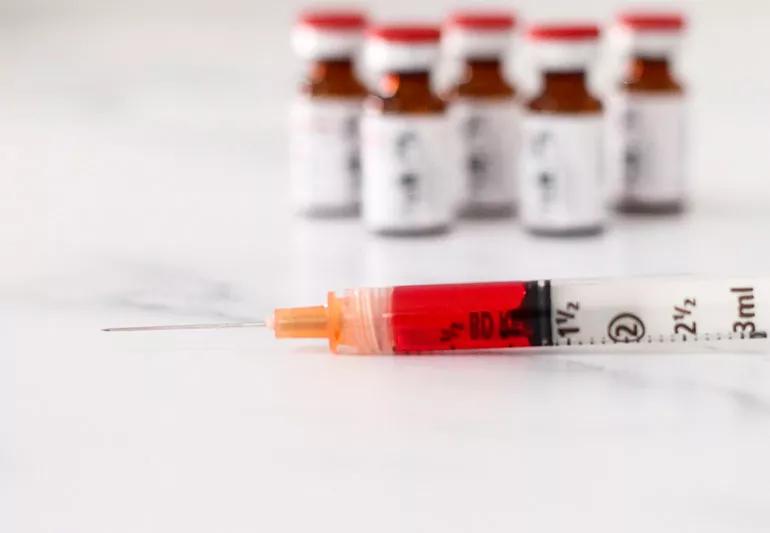
When do you need vitamin B12 injections?
When people ask when do you need vitamin b12 injections, they’re usually asking about a “medical trigger”—a circumstance where injections are the most reliable way to restore B12 levels.
1) You have a confirmed deficiency with absorption problems
In my experience reviewing cases over time, the strongest injection candidates are people whose absorption pathways are compromised. Common contributors include:
- Pernicious anemia (autoimmune destruction of intrinsic factor, which is necessary for B12 absorption)
- Gastrointestinal surgeries (for example, procedures that reduce stomach/terminal ileum function)
- Celiac disease or other malabsorptive conditions
- Certain chronic inflammatory or bowel disorders affecting the gut’s ability to absorb nutrients
Why injections work: they reduce reliance on the gut transport mechanisms that may be failing.
2) You’re dealing with neurological symptoms
B12 deficiency can affect the nervous system. Clinically, that’s one of the reasons providers take speed seriously. Neurological concerns can include:
- Numbness or tingling in the hands/feet
- Balance issues or walking changes
- Memory or concentration changes
- Symptoms suggestive of nerve involvement
In practice, if neurological symptoms are present (especially when labs support deficiency), injections are often used to replete B12 promptly and reliably.
3) Your deficiency is severe, or you need consistent repletion
Some patients have very low B12 and/or significant blood count changes (such as anemia and/or macrocytosis). In those scenarios, clinicians may choose injections to achieve predictable levels during the initial correction phase.
Here’s a real-world lesson I learned the hard way while supporting care coordination: when adherence or absorption reliability is uncertain, a structured injection schedule can remove a big variable. That can matter most at the start, when the goal is to stabilize the body quickly.
4) Oral therapy has failed or isn’t appropriate for you
Oral B12 can work for many people, but not all. If a patient’s B12 levels remain low despite appropriate oral supplementation, or if there’s a clear reason oral absorption is unlikely to be effective, injections may be recommended.
Importantly, “not responding” can be due to factors beyond B12 itself (dose, adherence, timing with other medications, or the underlying absorption issue). That’s why clinicians often pair treatment decisions with repeat labs and symptom tracking.
How clinicians decide: labs, symptoms, and response
Even when injection therapy is on the table, it’s not usually a guess. Decisions are typically anchored to both symptoms and objective findings.
Common lab markers involved
- Serum vitamin B12 (baseline level)
- Complete blood count (CBC) (anemia patterns, MCV)
- Methylmalonic acid (MMA) and/or homocysteine (often used when results are borderline or when confirming functional deficiency)
- Iron studies and folate testing (to ensure you’re not dealing with mixed deficiencies)
Response timeline: what I typically tell patients to expect
One of the most common frustrations I hear is, “Why don’t I feel better immediately?” Response often depends on what systems were affected and how long deficiency existed.
General patterns clinicians watch:
- Blood count improvement can begin within weeks.
- Neurological symptoms may take longer; some changes may not fully reverse if damage existed for a long time.
That’s why clinicians emphasize early evaluation when neuro symptoms appear—treating quickly matters.
Dosing and treatment phases (typical patterns)
Injection schedules vary based on the cause and severity of deficiency, but they often follow a staged approach: rapid repletion first, then maintenance.
In my hands-on workflow, I’ve seen plans adjusted for:
- The underlying diagnosis (for example, pernicious anemia vs. reversible dietary deficiency)
- Baseline severity and lab values
- Presence of neurological symptoms
- How levels and symptoms respond over time
Key takeaway: “Once you get shots, you’re done” is not always true. Some causes require long-term maintenance, while others resolve once the deficiency is corrected and the root issue is managed.
Pros and cons: injections vs. oral B12
Both approaches can be effective, and the “right” option depends on why you’re deficient. Here’s a practical comparison I use when helping someone weigh discussions with their clinician.
| Factor | Vitamin B12 injections | Oral/sublingual B12 |
|---|---|---|
| Reliability when absorption is impaired | Typically higher because it bypasses gut absorption | May be insufficient if absorption is significantly limited |
| Speed of correction | Often prioritized when rapid repletion is clinically important | Can work, but correction may be slower in some patients |
| Convenience | Requires injections and follow-up logistics | Easy to self-administer or take daily |
| Potential downsides | Injection-related discomfort; clinic/coverage considerations | Depends on adherence and ability to absorb |
| Best fit | Often indicated for malabsorption, pernicious anemia, significant deficiency, or neuro symptoms | Often reasonable for dietary insufficiency or milder cases (depending on labs and response) |
Safety and aftercare: what to monitor
Vitamin B12 is a nutrient, not a stimulant, so the conversation shouldn’t be “fear the shot.” Still, every treatment should be approached thoughtfully.
What clinicians typically monitor
- Symptom changes (energy, tingling/numbness, cognition)
- Repeat labs to confirm rising B12 and improving markers like MMA/homocysteine when used
- CBC trends for improvement in anemia pattern
When to re-contact your clinician
Reach out if:
- Symptoms worsen or fail to improve despite treatment
- New neurological symptoms appear
- There’s concern about the injection plan, side effects, or adherence barriers
- You’re taking medications that affect absorption (your clinician can review interactions and risk factors)
FAQ
Do I need vitamin B12 injections if my B12 level is low?
Not automatically. Many people can correct low B12 with oral therapy, depending on the cause. Injections are more likely when malabsorption is suspected, levels are severely low, blood count abnormalities are significant, or neurological symptoms are present. The decision is typically guided by labs (and sometimes MMA/homocysteine) plus symptoms.
How fast do I feel better after vitamin B12 injections?
Blood-related improvements can start within weeks, while neurological symptoms may take longer and may not fully resolve if the deficiency persisted for a long time. That’s why clinicians focus on both early correction and follow-up to confirm biochemical response.
Can vitamin B12 injections be a maintenance treatment?
Yes, in some cases. If the underlying cause is chronic (such as pernicious anemia or ongoing malabsorption), maintenance injections may be recommended after the initial repletion phase. If the cause is reversible and levels normalize reliably, maintenance may not be necessary—or the plan may switch to oral dosing.
Conclusion
So, when do you need vitamin b12 injections? Common triggers include confirmed B12 deficiency with absorption problems, neurological symptoms, severe deficiency (especially with significant lab changes), or failure/unsuitability of oral therapy. The most reliable approach is a decision grounded in symptoms plus labs, followed by follow-up to confirm response.
Next step: If you suspect B12 deficiency or you already have low results, ask your healthcare provider to connect the dots between your symptoms and the likely cause (including whether MMA/homocysteine or a CBC pattern supports functional deficiency) so you can choose the most appropriate route—injectable or oral—and set clear expectations for monitoring.
Discussion