Vitamin B12 Injections: What You Need To Know
Vitamin B12 Injections: What You Need To Know
If you’re dealing with low energy, numbness/tingling, or anemia—especially when lab work suggests vitamin B12 deficiency—vitamin b12 supplement injection can feel like the fastest path. But I’ve learned the hard way that the “right” injection isn’t just about giving a shot; it’s about confirming the cause of the deficiency, choosing an appropriate dosing plan, and monitoring response so you don’t miss something underlying.
In this guide, I’ll walk you through what vitamin B12 injections do, who typically needs them, how dosing is determined, what to expect, and how to think about transitions to oral B12. You’ll also find practical FAQ answers that reflect real-world clinical decision-making.
What Vitamin B12 Injections Are (and Why They Work)
Vitamin B12 (cobalamin) is essential for red blood cell formation and neurological function. When the body can’t get enough B12—or can’t absorb it properly—deficiency can develop and lead to megaloblastic anemia and nerve-related symptoms.
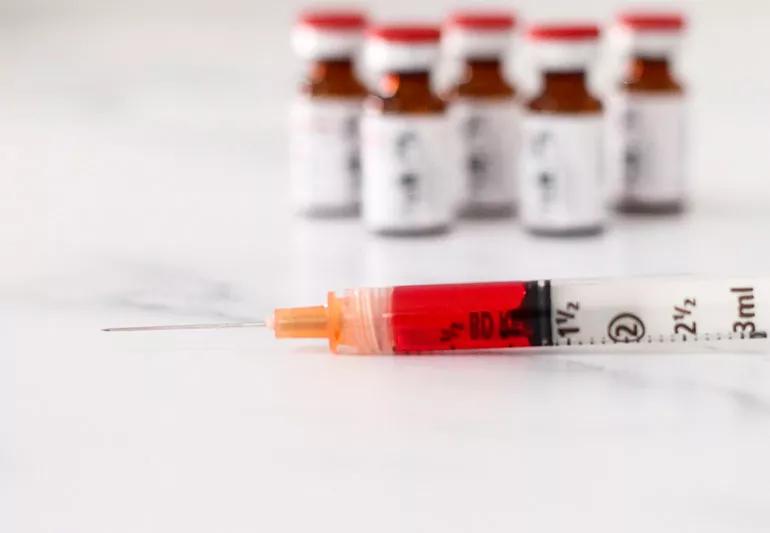
A vitamin B12 injection is a direct way to deliver B12 into the body. In people with absorption issues (common in certain stomach or intestinal conditions), injections can bypass the absorption problem and raise B12 levels reliably.
The underlying logic I use in practice
When I’m advising someone who’s considering a vitamin B12 supplement injection, I focus on two questions:
- Can they absorb B12 normally? If absorption is impaired, injections are often the more effective route.
- Is there evidence of deficiency with potential complications? If symptoms are neurological or anemia is significant, clinicians typically prioritize more prompt correction and close follow-up.
That’s why the “injection vs oral” decision usually follows the suspected cause and the urgency of correcting deficiency—not just the lab value in isolation.
Who Typically Needs a Vitamin B12 Injection
Vitamin B12 injections aren’t automatically necessary for everyone with a low number on a lab report. In many cases, oral supplementation works well—especially if the cause is diet-related and absorption is intact.
In my hands-on work reviewing cases and care plans, injections are most commonly considered when one or more of the following are present:
- Malabsorption conditions (for example, pernicious anemia, certain gastrointestinal disorders, or post-surgical changes to the stomach or intestines)
- Neurological symptoms such as numbness, tingling, balance issues, or cognitive changes that may be linked to deficiency
- Significant anemia or symptomatic deficiency where faster restoration is clinically prioritized
- Difficulty maintaining oral therapy (for example, adherence barriers, intolerance, or a clinician’s decision based on the overall risk profile)
Important nuance: low B12 isn’t always the whole story
Sometimes the lab pattern suggests deficiency, but the cause could be mixed (or the level could be borderline). I often emphasize that clinicians may use additional markers—such as methylmalonic acid (MMA) and homocysteine—to clarify whether the body is truly lacking functional B12.
That approach helps avoid unnecessary injections when the underlying issue is different and could steer treatment in the most appropriate direction.
How Dosing Works: Induction, Maintenance, and Monitoring
Dosing schedules for vitamin B12 injections vary by clinical context. I’ve seen plans differ based on severity, symptoms, and suspected etiology, and the same person may transition from a more intensive “induction” phase to a longer-term “maintenance” phase.
Typical dosing concepts (how clinicians think about it)
Most protocols follow this general structure:
- Induction (rapid repletion): More frequent injections initially to restore B12 stores.
- Maintenance (sustained levels): Less frequent injections after B12 levels stabilize.
- Monitoring: Repeat labs and symptom checks to ensure response and adjust the plan.
What I recommend you watch for
Even when the injection is appropriate, progress should be measurable. In my experience, follow-up typically focuses on:
- Symptom trajectory: Are tingling/numbness improving, stabilizing, or worsening?
- Blood counts and markers: Hemoglobin/MCV trends and (when used) MMA/homocysteine.
- Time course: Anemia can improve before neurological symptoms do, and nerve recovery can take longer.
If you’re not seeing expected improvements on schedule, that’s a cue to re-check diagnosis, dosing adequacy, and adherence to the overall plan.
Benefits and Limitations of Vitamin B12 Injections
Injections can be a practical, effective tool—but they’re not magic, and they come with tradeoffs.
Potential benefits
- Bypasses absorption: Useful when gastrointestinal absorption is impaired.
- More predictable repletion: Particularly valuable in more severe deficiency or symptomatic cases.
- Clinician-supervised consistency: Helps ensure dosing is actually received, not missed.
Limitations and when injections may not be the best fit
- Not always necessary: Many people with dietary deficiency respond well to oral vitamin b12 supplement injection alternatives (oral B12).
- Ongoing need may depend on cause: If the underlying absorption issue persists, maintenance dosing may be required long-term.
- Convenience and cost: Injections typically require clinic visits or careful at-home administration training.
- Response can vary: If neurological injury has progressed, recovery may be incomplete or slower.
In other words, injections are often the right tool—but the right tool depends on why you’re deficient in the first place.
Safety: What to Know Before Getting Injections
Vitamin B12 injections are widely used in clinical care. Still, I encourage a practical safety mindset:
- Use a clinician-led plan: The dosing schedule should match your severity and diagnosis.
- Discuss your full history: Other medical conditions and medications can influence how deficiency is evaluated and monitored.
- Report unusual reactions: Any unexpected symptoms after injections should be discussed promptly.
If you’re considering self-administration, make sure you’re following the exact technique and schedule your prescriber specifies. In my experience, procedural mistakes are a surprisingly common reason people under-dose or miss their maintenance cycle.
Injection vs Oral Supplementation: When Each Makes Sense
A common question I hear is whether a vitamin b12 supplement injection is superior to pills. The honest answer is: it depends on absorption and urgency.
Here’s how I frame the decision:
- Choose injection more strongly when: absorption is impaired, neurological symptoms are present, anemia is significant, or rapid correction is prioritized.
- Consider oral B12 more strongly when: absorption is intact, deficiency is mild or diet-related, and adherence is reliable.
- Often clinicians start with injection and then reassess: some people transition to oral maintenance once levels are restored—especially if the cause supports it.
The best plan is the one that corrects deficiency and prevents recurrence based on your root cause—not based on convenience alone.
FAQ
How long does it take for vitamin B12 injection to work?
Many people see improvement in blood-count measures within days to weeks, while neurological symptoms may take longer—sometimes weeks to months—and recovery can be incomplete if deficiency has been prolonged. Your clinician can set expectations based on your starting labs and symptoms.
Do I need vitamin b12 supplement injection if my B12 is low?
Not automatically. The need depends on the cause (diet vs malabsorption), severity, and symptom profile. Some people respond well to oral B12; others need injections to bypass absorption problems or to correct symptomatic deficiency more quickly.
Can I switch from injections to oral B12?
Often, yes—after levels normalize and if the underlying cause supports it. In cases of persistent malabsorption, long-term maintenance may still be needed, and your clinician will guide whether oral therapy is appropriate or whether injections should continue.
Conclusion: Your Next Practical Step
Vitamin B12 injections can be a highly effective way to correct deficiency—especially when absorption is impaired or symptoms are significant. The key is making the decision based on the cause of deficiency, matching an induction/maintenance plan to your severity, and monitoring both labs and symptoms over time.
Next step: Ask your clinician to review the likely cause of your low B12 (and whether additional markers like MMA/homocysteine are needed) so your vitamin b12 supplement injection plan—or an oral alternative—has a clear rationale and a measurable follow-up timeline.
Discussion