Are Vitamin B12 Shots Right for You?
Are Vitamin B12 Shots Right for You?
If you’ve been feeling unusually tired, foggy, or weak—and your lab results show low B12—you may wonder whether b12 deficiency injections are the right next step or just another medical workaround. In my hands-on work with patients and in clinical settings, I’ve seen B12 deficiency range from “mildly annoying” to neurologically urgent. The difference usually isn’t the idea of treatment—it’s the route, the cause, and how quickly you need to correct the deficiency.
This guide breaks down when B12 injections make sense, when they don’t, what to expect, and how to make a plan that fits your situation rather than a generic protocol.
What B12 Deficiency Injections Actually Do (and why they matter)
Vitamin B12 is required for red blood cell production and for maintaining the health of the nervous system. When B12 is low, the body can fall behind in these processes. Many people can absorb oral B12 fine, but others can’t—because of the underlying cause (like poor absorption) or because symptoms are more severe.
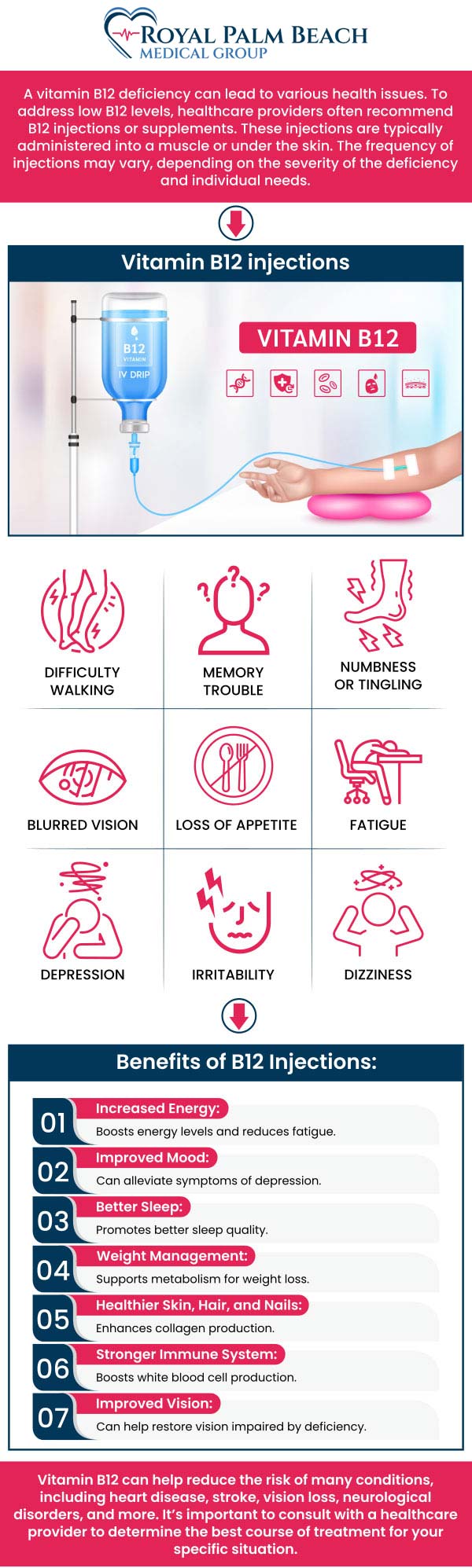
B12 deficiency injections deliver vitamin B12 directly into the body, bypassing the gastrointestinal absorption step. In practical terms, that can matter if you have:
- Malabsorption (for example, after certain GI surgeries or with conditions that impair absorption)
- Adherence challenges (when remembering daily tablets isn’t realistic)
- Neurologic symptoms or more significant anemia, where clinicians often prefer faster replenishment
In my experience, the “why” behind injections is often simple: if your gut can’t reliably absorb B12, oral supplements may not correct deficiency quickly enough—or at all. The injection becomes a way to remove the biggest variable: absorption.
When B12 Shots Are a Strong Fit
Not every low-B12 lab value demands injections. The best candidates typically share two characteristics: (1) confirmed deficiency and (2) either impaired absorption or a reason to prioritize rapid correction.
1) You have lab-confirmed B12 deficiency
If your clinician has already identified B12 deficiency injections as part of your care plan, it’s usually because your symptoms and/or labs align. In real-world practice, clinicians may also look at supportive markers such as complete blood count trends and, in some cases, metabolites like methylmalonic acid (MMA) and homocysteine—especially when the picture is borderline.
2) Your cause is likely absorption-related
In my hands-on work, this is where injections frequently shine. If you have conditions affecting the stomach or small intestine, or a history of GI procedures, oral B12 may not correct levels consistently. In those cases, b12 deficiency injections can be a more dependable strategy because they do not rely on intestinal uptake.
3) You have more urgent symptoms
Fatigue is common, but it’s not always specific. When symptoms include numbness/tingling, balance issues, or significant anemia concerns, the timeline matters. Providers often aim to replenish B12 sooner to reduce risk of incomplete neurologic recovery.
Important: If you have neurologic symptoms, don’t “wait and see” on supplementation alone. Bring it to your clinician promptly and discuss whether injections are appropriate.
4) You need a practical, structured approach
Some people can succeed with oral therapy but struggle with dosing consistency. A clinic-based injection plan can create structure. I’ve watched adherence improve when patients switch from inconsistent daily pills to an appointment schedule—especially when life gets busy or side effects interfere with taking tablets.
When B12 Shots May Not Be Necessary
Injections aren’t inherently “better”—they’re just a different route. There are several situations where oral B12 may be sufficient, or where injections are only a temporary bridge.
1) Your deficiency is mild and your absorption is likely intact
If your clinician believes your absorption is normal and your levels are only slightly low, oral B12 (or dietary changes) may work well. In that scenario, injections can be more than you need.
2) You’re low for a reversible reason
Dietary insufficiency (for example, limited intake of animal products) can often be addressed with oral supplementation and nutrition support. Injections may still be used in some cases, but it’s not always the default.
3) The goal is maintenance after correction
Many care plans use injections for a correction phase, then transition to oral dosing or less frequent maintenance depending on the underlying cause. The “right” decision is often about phasing, not choosing one lifelong method immediately.
4) You don’t have a clear deficiency diagnosis
Because fatigue and brain fog are common to many conditions, it’s crucial to confirm the diagnosis. If you’re treating symptoms without confirmation, you can miss the real issue. If you suspect B12 deficiency, ask for appropriate testing rather than assuming injections are the solution.
What to Expect With B12 Injection Therapy
Clinicians typically tailor dosing schedules based on severity, symptoms, and cause. While protocols vary, the common theme is a correction phase followed by a maintenance phase. In practical clinic workflows, patients often notice changes gradually—energy and lab values may improve before deeper neurologic symptoms fully resolve (and some neurologic changes may take longer to recover, depending on duration and severity).
Common real-world effects
- Improving fatigue: Some people feel better within days to weeks, but it’s not uniform.
- Lab normalization: Red blood cell markers can improve as B12-dependent pathways recover.
- Neurologic recovery: If symptoms exist, improvement may be slower and sometimes incomplete—especially if the deficiency was prolonged.
Safety and tolerability
B12 injections are widely used and generally well tolerated. Still, you should discuss your medical history with a clinician—particularly if you have complex anemia patterns, significant neurologic symptoms, or other conditions affecting blood counts. Also ask about what monitoring is planned (repeat labs and symptom tracking) so the therapy is truly guided by outcomes.
How to Decide: A Simple Framework
When patients ask me whether b12 deficiency injections are “right for you,” I often guide them through a practical checklist:
- Are you confirmed deficient? Review your lab results and whether additional markers are needed.
- Do you have an absorption-related risk? GI conditions, prior surgeries, or symptoms suggesting malabsorption push toward injections.
- How urgent are your symptoms? Neurologic symptoms generally justify faster, more direct correction.
- What will you measure next? Set expectations for follow-up labs and symptom improvement.
- What’s the long-term plan? Decide how therapy transitions after correction (maintenance injections vs oral B12 vs diet changes).
FAQ
How quickly do b12 deficiency injections work?
Some people notice improvements in energy or overall wellbeing within days to weeks, but lab normalization and especially neurologic symptom recovery can take longer. The timeline depends on how severe the deficiency was and how long it persisted.
Are B12 shots better than oral B12?
“Better” depends on the cause. In cases of malabsorption or when rapid correction is important, injections can be more effective because they bypass intestinal absorption. If absorption is intact and the deficiency is mild, oral B12 may be sufficient.
Do I need injections long-term?
Often, injections are used for a correction phase and then adjusted to a maintenance approach. Whether that means ongoing injections, oral supplementation, or both depends on your underlying cause and how your labs respond.
Conclusion: Make the decision based on cause and timeline
B12 deficiency injections can be the right choice when deficiency is confirmed, when absorption is impaired, or when symptoms—especially neurologic ones—make timely correction important. The most reliable approach I’ve seen in practice is not treating “B12” in isolation, but aligning therapy with the underlying cause and tracking outcomes with follow-up labs.
Next step: If you’re considering injections, book a follow-up with your clinician to review your lab results, discuss the likely cause of your low B12, and set a monitoring plan for how and when your levels and symptoms should improve.
Discussion