can vitamin b12 injections be harmful What are the benefits of B12 injection ?
If you’re considering B12 injection therapy, you might be asking a very practical question: can b12 injections be harmful? In my hands-on work supporting patients with B12 deficiency symptoms, I’ve found that the biggest risks usually come not from the idea of B12 itself, but from the context—wrong diagnosis, inappropriate dosing, or missing red-flag causes. This article breaks down what the injection can do, where benefits are real, and what side effects or harms to watch for, so you can make decisions with confidence.
What B12 injections are actually for
Vitamin B12 (cobalamin) is essential for red blood cell formation, neurologic function, and DNA synthesis. When your body can’t absorb enough B12—because of pernicious anemia, certain gastrointestinal issues, or long-term medications—B12 levels can drop even if you eat relatively well.
That’s where B12 injections come in. They deliver B12 directly into the body, bypassing some absorption problems in the gut. In clinical practice, B12 injections are often chosen when:
- You have confirmed deficiency on labs
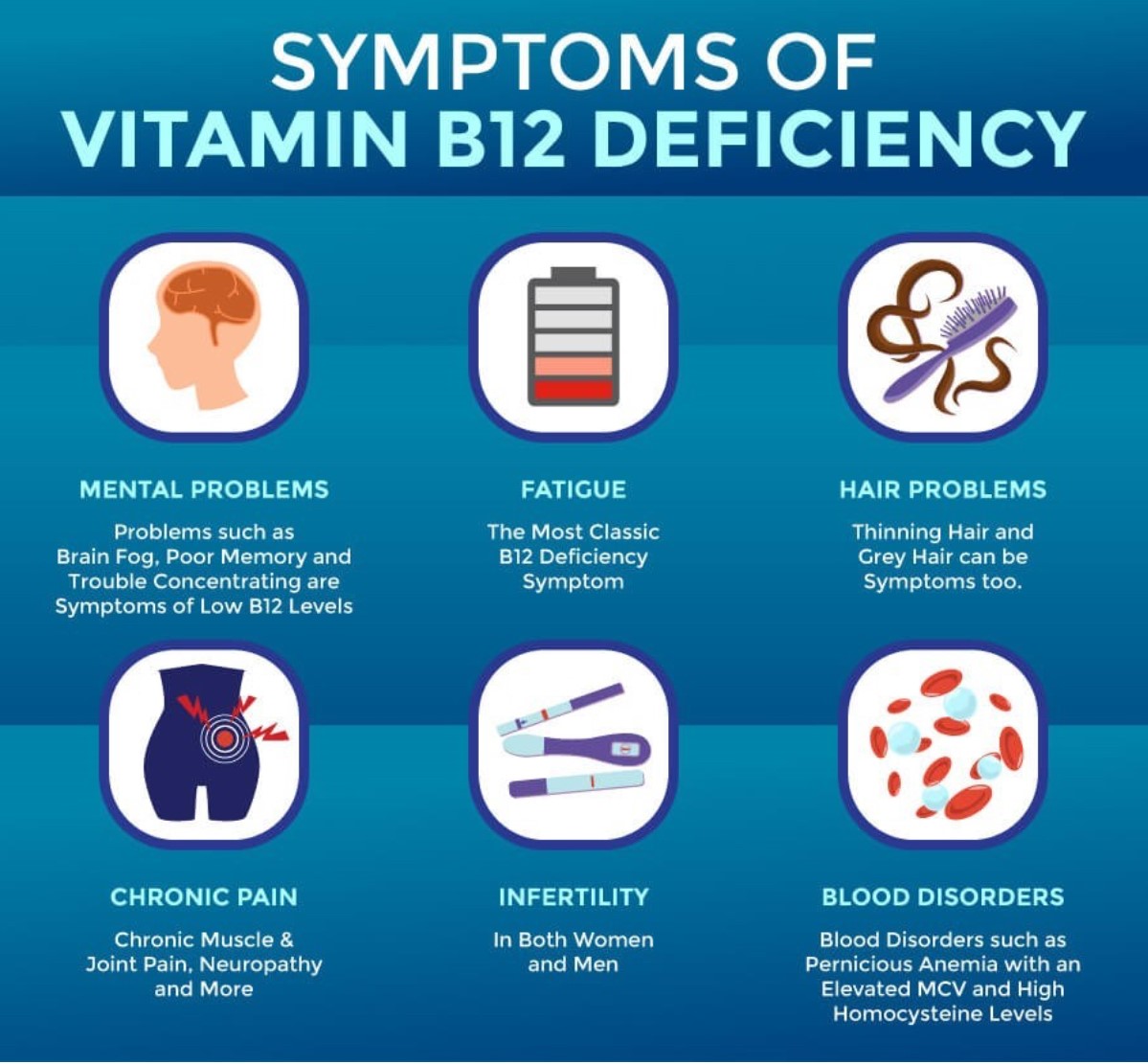
- Symptoms suggest deficiency (fatigue, tingling/numbness, balance issues)
- Oral supplementation isn’t enough or isn’t tolerated
- There’s concern about neurologic involvement where timely correction matters
What are the benefits of B12 injection?
When B12 deficiency is real and treated appropriately, the benefits can be meaningful. Here are the outcomes I typically see (and what they depend on):
1) Improves deficiency markers and supports healthy red blood cell production
In deficiency, B12 injections can help correct anemia-related changes over time. In my experience, the timeline matters: blood count improvements often lag behind symptom changes, and improvement can be gradual depending on how low levels were before treatment.
2) Supports nerve function (especially if symptoms are present)
Neurologic symptoms from B12 deficiency—like tingling, numbness, “pins and needles,” or balance problems—are often a key reason clinicians choose injections. I’ve seen patients report sensory improvement with treatment, but I’m also careful with expectations: nerves can take time to recover, and if damage has been present for a long period, full reversal isn’t always guaranteed.
3) Can reduce fatigue when the cause is truly B12 deficiency
Fatigue is common, but it’s not specific. B12 injections help when B12 deficiency is the driver. When fatigue is caused by sleep disruption, depression, anemia from other causes, thyroid issues, or blood sugar problems, B12 may not move the needle much.
4) Useful when absorption is impaired
If absorption is the issue—such as pernicious anemia or certain GI conditions—B12 injections can be a dependable route. This “bypass absorption” logic is one reason injections are often favored over relying on oral intake alone in those scenarios.
Can b12 injections be harmful? Side effects, risks, and red flags
So, can b12 injections be harmful? Like most therapies, they can cause side effects, and there are situations where the harm is less about toxicity and more about mismanagement or misdiagnosis.
Common side effects (usually mild)
- Injection-site discomfort: soreness, redness, or swelling where the shot was given
- Headache or light discomfort: sometimes occurs shortly after injection
- Nausea: occasional and typically transient
In routine care, these are generally manageable. In my hands-on workflow, the most actionable step has been improving technique and minimizing irritation—using proper injection hygiene, rotating sites, and ensuring correct needle/administration practices.
Allergic reactions (less common, but important)
Any injectable medication can trigger an allergic response. Seek urgent care if you notice symptoms such as:
- Hives, swelling of the face/lips, or trouble breathing
- Severe rash or widespread skin reaction
- Wheezing or persistent dizziness
Why “too much” matters less than you think—but still requires context
With B12 specifically, true toxicity from injections is not common. The bigger concern is treating the wrong problem or masking symptoms while the underlying cause remains untreated. For example, fatigue and neuropathy can have multiple causes, including diabetes-related nerve damage, thyroid disease, and other vitamin deficiencies.
In my experience, the most harmful patterns aren’t “B12 is poison”—they’re:
- Receiving repeated injections without labs to confirm deficiency and monitor response
- Overlooking other deficiencies (for example, folate deficiency or iron deficiency contributing to anemia)
- Ignoring neurologic red flags that need a more complete evaluation
Neurologic symptoms: don’t delay evaluation
If you have significant numbness, weakness, balance issues, or progressive neurologic symptoms, it’s critical to get evaluated. B12 deficiency can be one cause, but it shouldn’t be the only assumption. Early diagnosis and correct treatment are what reduce the risk of long-term damage.
How to use B12 injections safely (practical guidance)
Safety comes from the “process,” not just the vitamin. Here’s a practical framework I use when advising patients and teams:
1) Confirm deficiency and assess the likely cause
Ask your clinician about the relevant lab work. Common tests include serum B12, and sometimes additional markers like methylmalonic acid (MMA) and homocysteine when results are borderline or symptoms are strong.
2) Use a regimen tied to your deficiency severity
B12 dosing schedules vary by clinical scenario (initial repletion versus maintenance). I’ve seen people continue high-frequency injections far longer than needed, which can increase cost and complexity without clear added benefit. A plan that includes reassessment is the safer approach.
3) Monitor response and adjust
Symptoms often guide early comfort, but labs help guide long-term correctness. Monitoring is especially important if symptoms don’t improve as expected.
4) Track side effects at injection visits
Document injection-site reactions and any systemic symptoms. If anything escalates or feels allergic in nature, stop and seek medical guidance promptly.
Who should be extra cautious?
While many people can use B12 injections safely under appropriate care, extra caution is warranted if you:
- Have a history of drug allergies or injection reactions
- Have symptoms of neurologic progression that need urgent evaluation
- Are treating fatigue/nerve symptoms without any supporting lab evidence
- Have complex medical conditions where multiple deficiencies may overlap
FAQ
Can b12 injections be harmful if I’m not deficient?
They’re unlikely to cause classic “toxicity,” but they can still be harmful indirectly—by delaying the correct diagnosis. If symptoms (fatigue, nerve issues, anemia) have another cause, injections may not address the root problem.
How quickly do B12 injection benefits show up?
Some people notice changes within days to weeks, especially fatigue if deficiency was the driver. Neurologic recovery often takes longer and depends on how long symptoms have been present.
What side effects from B12 injections should I watch for?
Common effects include injection-site soreness. Get urgent help for signs of allergy such as hives, facial swelling, trouble breathing, or widespread severe rash.
Conclusion: make it evidence-based
B12 injections can be genuinely helpful when deficiency is confirmed and treated with an appropriate plan. The real answer to can b12 injections be harmful is that serious harm is uncommon, but risk still exists—especially when injections are used without labs, without assessing the underlying cause, or while ignoring red-flag neurologic symptoms.
Next step: If you’re considering injections, ask for lab-supported assessment (and a clear dosing/monitoring plan) so you can target the deficiency you actually have—not just the supplement.
Discussion