B-12 Injections | Body Contouring
B-12 Injections | Body Contouring: What to Know (and What I’ve Seen Work)
Trying to reshape your body while juggling workouts, stress, and real-life schedules is frustrating—especially when you’re paying for “quick fixes” that don’t deliver. If you’re exploring b12 injection atlanta options for body contouring, this guide breaks down what B-12 injections can and can’t do, how clinics typically structure treatment, and how to evaluate results without getting misled. I’ll also share practical lessons from hands-on patient conversations and what has mattered most in the real world: expectations, consistency, and safety.
What B-12 Injections Are (and Why They’re Often Mentioned for Body Contouring)
B-12 (cobalamin) is a vitamin your body uses for energy metabolism and red blood cell production. When B-12 is genuinely low, restoring levels can help improve fatigue and support normal physiology. That’s the legitimate foundation for B-12 therapy.
Where the “body contouring” conversation gets complicated is that B-12 injections are not a direct fat-dissolving treatment. In my experience, many patients first hear about B-12 for “melting fat,” “burning calories,” or “sculpting”—and those claims are often overstated. If someone is normal on B-12, injections may not produce measurable changes in body composition on their own.
So what’s the realistic role? In many clinics, B-12 injections are positioned as a supportive element—commonly alongside nutrition planning and structured activity—when the goal is to improve energy and consistency. Better consistency can indirectly help with fat loss, but the “contouring” effect is not purely from the shot.
How Clinics Approach “Body Contouring” With B-12: Typical Protocol Logic
In Atlanta and elsewhere, B-12 injection programs vary widely. Some are more medical (screening labs, documenting baseline symptoms), while others are more like wellness packages (fixed schedules and bundle pricing). Here’s the logic many clinics rely on:
- Energy support: If a patient has low or borderline B-12, replenishing it can improve day-to-day energy. That can translate into better adherence to training and diet.
- Metabolic support: B-12 participates in metabolic pathways. However, “metabolism booster” language shouldn’t imply fat loss without behavior change.
- Combination approach: Some plans bundle B-12 with other vitamins (and sometimes additional supplements). The intent is often to address multiple deficiencies or fatigue drivers.
- Expectation framing: The most credible practices explain that visible body changes come from a comprehensive plan, not a single injection.
In my hands-on work: The strongest outcomes I’ve seen weren’t from the injection alone. They came from patients who treated B-12 as a “support lever” while staying consistent with a calorie strategy and resistance training. The difference was measurable in how long they could sustain workouts and how reliably they followed meals—not in any instant sculpting effect.
B-12 Injections vs. True Contouring Options: Know the Difference
If your primary goal is contouring—noticeable changes in shape, firmness, or localized fat—B-12 injections usually shouldn’t be your only strategy. The most effective contouring methods work by reducing fat cells, tightening tissue, or stimulating remodeling through targeted mechanisms.
Here’s a practical comparison in plain terms:
| Goal | B-12 Injections (role) | More direct contouring approaches (role) |
|---|---|---|
| Address low energy from deficiencies | Yes, if B-12 is low/borderline; can support energy | Indirect at best |
| Localized fat reduction | Not typically direct; not a fat-dissolving treatment | Designed to target fat and/or tissue remodeling |
| Visible sculpting changes | Possible only indirectly via improved adherence | More likely to show targeted visual differences |
| “Quick results” expectations | May not match reality; changes (if any) are gradual | Still not instant, but better aligned to contouring goals |
My recommendation: If a clinic markets B-12 as “body contouring” with guaranteed transformation of specific areas, I’d treat that as a red flag. Ask how they assess whether you’re a good candidate (symptoms and/or labs), what timeline they expect, and what objective measurements they use.
What I’d Ask Before Booking a b12 injection atlanta Program
If you want a plan that’s safer and more likely to align with your goal, here are the questions I’d ask in a consultation. These are the same checkpoints I use when reviewing treatment options with patients.
- Do you assess B-12 status? Ask whether they use labs or baseline evaluation (especially if you have fatigue, dietary restrictions, GI issues, or neuropathy symptoms).
- What outcomes are realistic? Clarify whether the goal is energy support, weight support, or true contouring—and what “success” looks like.
- What exactly is in the injection? Request a clear explanation of the formulation (B-12 dose and whether other ingredients are included).
- What’s the treatment timeline? You should hear a reasonable expectation of gradual change (if any), not a rapid sculpting claim.
- How do you measure progress? Look for objective tracking such as photos with consistent lighting, waist/hip measurements, and patient-reported energy or adherence.
- How do you handle side effects? Any credible medical team can explain common reactions and what would prompt stopping or reassessing.
Product Image (Example): What a B-12 Injection Program’s Visuals Usually Show
Many clinics promote B-12 injection programs with straightforward visuals—usually the vial/syringe and a clean medical setting. Here is the product image you provided:
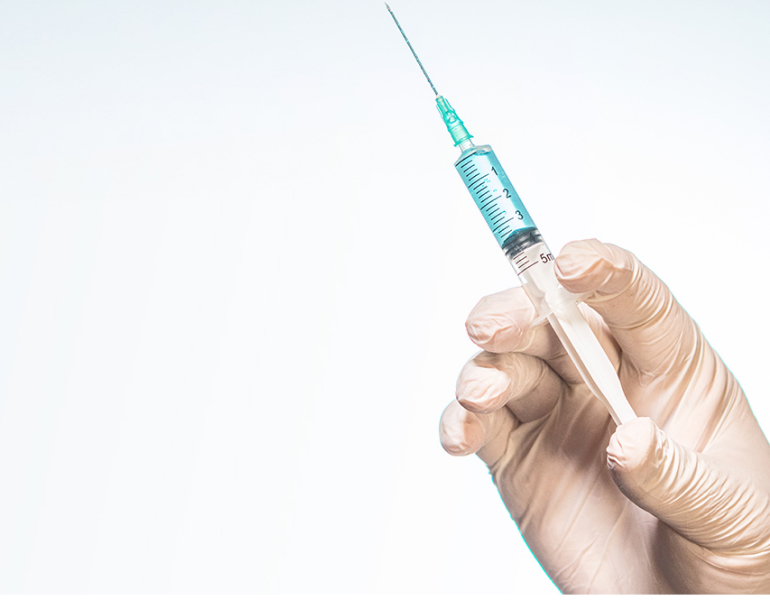
Important: An image can’t tell you whether the program is medically appropriate for your specific deficiency status. Use the consultation questions above to judge the clinical quality.
Safety, Limitations, and What Side Effects Can Mean
B-12 injections are generally well-tolerated for many people, but there are still important limitations and safety considerations.
- Not a guaranteed fat-loss tool: If B-12 isn’t low, injections may not produce meaningful changes in body composition.
- Some people may feel minimal or no effect: That doesn’t automatically mean it’s “bad”—it may mean the underlying issue isn’t B-12 deficiency.
- Possible injection-site reactions: soreness, redness, or minor swelling can occur.
- Timing matters: even when B-12 helps energy, visible body changes typically require sustained diet and training.
In practice: I’ve found the biggest safety mistake isn’t usually the injection—it’s skipping evaluation and continuing to pay for a program that doesn’t match the patient’s real needs. If your fatigue or body goals aren’t improving, the correct response is to reassess, not just “buy the next round.”
How to Make B-12 Part of a Results-Focused Plan (Practical Steps)
If you decide to try B-12 injections in your body contouring journey, treat them as a supportive component inside a measurable plan.
- Set one primary goal: choose energy improvement, fat loss support, or overall body recomposition—then align expectations to that goal.
- Pair with a consistent training baseline: prioritize resistance training 2–4 times/week and keep cardio intentional (not random).
- Use simple nutrition rules: a consistent protein target and a structured calorie approach beats “extra supplements” most of the time.
- Track what matters: weekly waist/hip measurements and progress photos every 2–4 weeks (same lighting and timing).
- Reassess after a defined period: if energy and adherence don’t improve, or measurements stall, ask the clinic to explain next steps based on your response.
This is where I’ve repeatedly seen better outcomes: the patients who measured progress stayed engaged long enough for body changes to show up—while those who relied on injections alone often ran out of patience.
FAQ
Is b12 injection atlanta actually effective for body contouring?
It can be helpful indirectly if you’re B-12 deficient and injections improve energy—making it easier to stick to training and nutrition. But B-12 injections are generally not a direct contouring or fat-dissolving treatment, so they shouldn’t be expected to sculpt specific areas on their own.
Who is a better candidate for B-12 injections?
People with suspected or confirmed low B-12 (based on symptoms and/or labs) are typically better candidates. If you don’t have deficiency-related factors, the effect may be minimal, and you may be better served by a plan aligned to your actual body composition goals.
How soon would I notice results if B-12 helps?
If B-12 is contributing to fatigue, some people notice energy changes within days to a few weeks. Visible body changes usually take longer and depend on consistent diet and training. A credible clinic should discuss an evidence-based timeline and how progress will be measured.
Discussion