Cobalamin (vitamin B12) and Folate Deficiency
Introduction
If you’ve ever seen labs show low cobalamin (vitamin B12) or folate, you know the real problem isn’t just the numbers—it’s what those deficiencies can do to blood cells, nerves, and overall energy. In my hands-on clinical workflow, one of the most common “misses” is improper timing or dosing when starting therapy, especially when clinicians are looking for vitamin b12 injection dose guidelines for patients with deficiency, malabsorption, or neurologic symptoms.
This guide explains how B12 and folate deficiencies develop, how to confirm them, and how to think through treatment decisions—including practical considerations around B12 injection dosing and safe follow-up.
Cobalamin (Vitamin B12) and Folate: What’s Actually Going Wrong?
Cobalamin and folate are tightly connected in the one-carbon metabolism pathway that supports DNA synthesis. When either is deficient, the body tends to shift toward producing immature, fragile red blood cells—often leading to a megaloblastic anemia pattern.
Why deficiency matters
In my experience, the danger is twofold:
- Hematologic effects: macrocytosis, anemia, fatigue, and sometimes pancytopenia.
- Neurologic effects (B12-specific): numbness, tingling, balance issues, cognitive changes. Neurologic injury can become less reversible the longer it’s untreated.
B12 vs folate: key clinical differences
Both deficiencies can cause macrocytosis, but their etiologies and implications differ:
- Vitamin B12 deficiency is commonly due to impaired absorption (e.g., pernicious anemia, gastric surgery, certain medications), dietary insufficiency (less common in many regions but still seen), or increased requirements.
- Folate deficiency often relates to inadequate intake, malabsorption, alcoholism, increased cell turnover, or certain medications that interfere with folate metabolism.
Because the lab patterns overlap, clinicians often treat B12 first when there’s diagnostic uncertainty—especially if neurologic symptoms exist—since folate can improve anemia without correcting the underlying B12 problem.
How to Diagnose B12 and Folate Deficiency (and Avoid Common Traps)
Before dosing, I like to confirm what’s driving the deficiency and whether it’s safe to rely on standard markers alone. In practice, diagnosis usually combines history, blood indices, and targeted labs.
Core lab signals
- Complete blood count (CBC): anemia with elevated MCV is common in both.
- Serum vitamin B12: helpful, but “borderline” values can be misleading.
- Folate level: indicates current folate status, but timing of deficiency can affect results.
When additional testing is useful
In my hands-on work, additional biomarkers are most valuable when serum levels don’t clearly explain symptoms or when patients have mixed nutritional issues. Consider:
- Methylmalonic acid (MMA): tends to rise in true B12 deficiency.
- Homocysteine: can rise in both B12 and folate deficiency.
Common diagnostic pitfalls
- Assuming “low-normal” B12 is not clinically meaningful when symptoms fit.
- Treating folate alone in someone with neurologic symptoms or suspected B12 absorption issues.
- Forgetting reversible drivers like medication effects, alcohol use, malnutrition risk, or malabsorption syndromes.
Treatment Overview: What Changes After Starting Therapy?
Once therapy begins, the clinical goal is fast reversal of functional deficiency—particularly for B12 when neurologic symptoms are present—and normalization of hematologic markers.
Expected response timeline (practical expectations)
- Blood counts: reticulocyte response often appears within days to about a week; hemoglobin and MCV improvement typically follow over subsequent weeks.
- Symptoms: fatigue may improve sooner than other neurologic features; neurologic recovery (when present) can take longer and may be incomplete if treatment was delayed.
Monitoring strategy
In my own monitoring approach, I typically reassess symptoms and labs after an initial treatment period, then individualize follow-up based on etiology (ongoing malabsorption, medication causes, or dietary risk).
- Recheck CBC and relevant B12/folate markers at clinician-guided intervals.
- Track neurologic symptoms closely—especially in patients receiving initial therapy.
Vitamin B12 Injection Dose Guidelines: How Clinicians Think About It
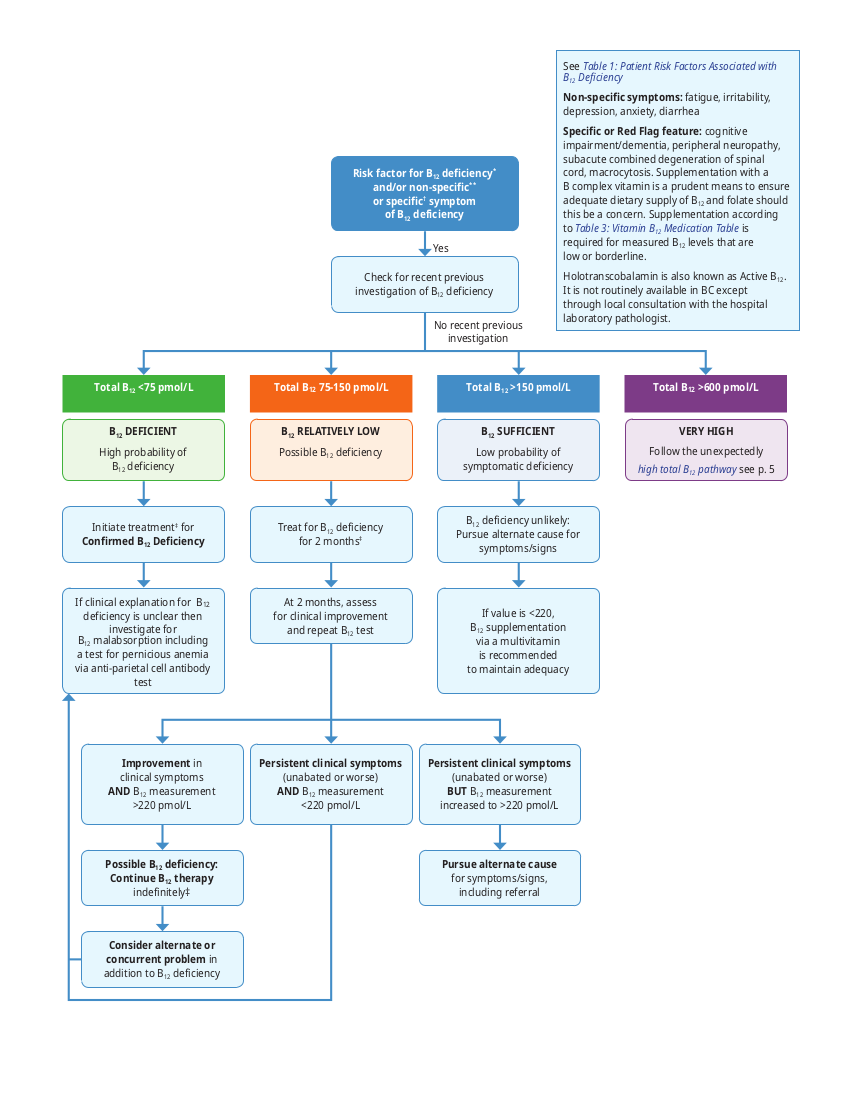
When B12 deficiency is clinically significant—particularly with neurologic symptoms, severe anemia, or suspected malabsorption—parenteral therapy is often used early. The exact regimen varies by guideline, country, and patient context, so it’s essential to follow your local protocol and clinician judgment.
When injections are typically favored
- Neurologic symptoms suggestive of B12-related nerve involvement.
- Malabsorption risk (e.g., pernicious anemia, post-gastrectomy, certain GI disorders).
- Severe deficiency or need for rapid replenishment.
- Unreliable oral absorption or adherence concerns.
General dosing concepts behind vitamin b12 injection dose guidelines
Although protocols differ, most injection regimens follow a similar logic:
- Initial loading (more frequent dosing): quickly saturates B12 stores and improves functional metabolic pathways.
- Maintenance (less frequent dosing): sustains levels once hematologic recovery has started and the underlying cause is addressed.
- Etiology-driven duration: if the cause is permanent (e.g., pernicious anemia), maintenance often needs to be ongoing.
Where people get stuck (and how I avoid the problem)
In practice, one of the most frequent real-world issues I’ve seen is confusion between:
- Treating the deficiency (rapid repletion), and
- Managing the underlying cause (long-term plan so deficiency doesn’t recur).
Even when the injection dose is correct, patients can relapse if maintenance is delayed or if the underlying absorption or nutritional issue is not addressed.
Practical safety notes
- Neurologic monitoring: if symptoms are present, clinicians should document baseline status and follow changes over time.
- Don’t skip follow-up: dosing schedules are only effective if you confirm response and prevent recurrence.
- Medication interactions and comorbidities: comorbid anemia causes (iron deficiency, chronic disease) can mask or complicate the response pattern.
Folate Deficiency: Treatment Principles and Key Differences
Folate deficiency is typically addressed with folate supplementation and—just as importantly—correction of the underlying contributor (dietary risk, alcohol use, malabsorption, or interacting medications).
Why folate treatment is not the same as B12 treatment
In my experience, the most important difference is diagnostic caution: folate can improve anemia and MCV, but it may not correct B12-related neurologic injury. That’s why clinicians often consider B12 status carefully before folate-only treatment—especially if neurologic symptoms are present.
Monitoring after folate therapy
- Expect hematologic improvement over weeks.
- Reassess if anemia doesn’t respond as anticipated—this can suggest mixed deficiency, incorrect diagnosis, or a competing cause.
Choosing Between Injection vs Oral Approaches (Decision Framework)
Not every patient needs injections. The decision often hinges on absorption risk, severity, and symptom pattern.
Factors that push toward parenteral B12
- Neurologic symptoms suggestive of B12-related nerve involvement.
- Documented malabsorption or conditions with impaired intrinsic factor or intestinal absorption.
- Severe deficiency requiring rapid replenishment.
Factors that may support oral B12 (when appropriate)
- Dietary insufficiency without absorption compromise.
- Patients able to take oral therapy reliably and with appropriate follow-up.
- Clinician judgment that oral dosing will achieve and maintain adequate levels.
FAQ
What are vitamin b12 injection dose guidelines in general?
Most guidelines use an initial repletion (loading) phase followed by a maintenance phase, with the exact dose and frequency varying by local protocol and patient factors (severity, symptoms, and cause of deficiency). Follow your local guideline and clinician direction, especially if neurologic symptoms are present.
How long does it take for B12 levels and symptoms to improve?
Blood count improvements often begin within days to a week (reticulocyte response), with hemoglobin and MCV improving over subsequent weeks. Neurologic recovery—when present—can take longer and may be incomplete if treatment started late.
Can folate supplementation fix B12-related nerve problems?
Folate can improve anemia, but it does not correct B12-related neurologic injury. That’s why clinicians usually ensure B12 deficiency is addressed appropriately rather than treating folate alone when B12 status is uncertain or neurologic symptoms exist.
Conclusion
Cobalamin (vitamin B12) and folate deficiency share overlapping blood count patterns, but the clinical consequences—especially neurologic risks from B12 deficiency—are not the same. In real-world practice, the best outcomes come from confirming the deficiency thoughtfully, starting the right therapy promptly, and using vitamin b12 injection dose guidelines that match the severity and cause—then maintaining treatment long enough to prevent recurrence.
Next step: If you’re managing a suspected deficiency, review the patient’s symptoms (especially neurologic features), confirm labs (and consider MMA/homocysteine when needed), and align the B12 injection loading and maintenance plan with your local protocol before adding folate.
Discussion