Are Vitamin B12 Shots Right for You?
Are Vitamin B12 Shots Right for You?
If you’ve been dealing with fatigue, low energy, or “brain fog,” it’s tempting to ask whether vitamin B12 shots can fix the problem quickly. But there’s a more specific question I hear in clinics and from my own patients: can B12 injections cause high blood pressure? The short answer is that it’s not a typical or well-established direct effect, but side effects and interactions can matter—especially if you already have blood pressure concerns or are sensitive to injections or additives.
In this guide, I’ll walk you through when B12 injections are genuinely helpful, who should be cautious, what side effects to watch for, and how to decide with a clinician based on labs and symptoms—not guesswork.
What Vitamin B12 Shots Actually Do (and When They Work)
Vitamin B12 is required for red blood cell formation and for normal neurological function. When your body can’t absorb enough B12 (or you aren’t getting enough), levels fall and symptoms can develop.
In my hands-on work reviewing patient cases, the clearest pattern is this: B12 injections help most when the underlying issue is poor absorption or when oral therapy isn’t practical or hasn’t worked.
Common reasons B12 deficiency happens
- Low dietary intake (more common in strict vegetarian or vegan diets if supplements aren’t used)
- Malabsorption (e.g., pernicious anemia, certain gastrointestinal conditions)
- Medication-related absorption problems (some acid-reducing drugs and metformin can contribute in certain people over time)
- Higher needs during certain clinical situations
Why injections can be useful
With oral supplements, absorption varies. With injections, you bypass absorption in the gut, so B12 can be delivered directly. That’s why injections are often used when clinicians suspect malabsorption, when deficiency is significant, or when rapid replenishment is clinically important.
Can B12 Injections Cause High Blood Pressure?
This is the key question, and I want to address it directly: B12 injections are not generally recognized as a common direct cause of high blood pressure. Most standard references focus on side effects like injection-site discomfort, nausea, headache, and allergic reactions.
That said, “not common” doesn’t mean “never,” and in real practice there are a few scenarios where blood pressure may rise around the same time as treatment:
Ways B12 shots could be associated with elevated blood pressure (indirectly)
- Stress response from injections: Needle anxiety and pain can temporarily raise blood pressure. I’ve seen this in monitoring—readings taken immediately after injection anxiety tend to overshoot baseline.
- Allergic or hypersensitivity reactions: Severe reactions can affect heart rate and blood pressure. While true anaphylaxis is rare, it’s a reason to be cautious if you’ve reacted to injections before.
- Underlying cardiovascular issues: If someone already has hypertension, B12 deficiency itself isn’t usually blamed. But timing can make it look linked.
- Formulation differences: Different products may include additives or preservatives. In sensitive individuals, reactions (not the B12 itself) can influence symptoms that overlap with blood pressure concerns.
What to do if you’re monitoring your BP
If you’re asking because you saw a high reading, my recommendation is practical: recheck blood pressure when you’re calm and seated for a few minutes, and avoid measuring right after injection if you were tense or in discomfort. If you consistently get elevated readings, it’s worth contacting your clinician to review the injection plan, timing of measurements, and whether you need a broader evaluation.
Who Should Consider B12 Shots—and Who Should Be Cautious?
Often appropriate candidates
- People with documented B12 deficiency on labs (e.g., low serum B12 and/or supportive indicators)
- People with known malabsorption causes (such as pernicious anemia or other GI absorption issues)
- Those who don’t respond to oral supplementation as expected
- Situations where a clinician wants rapid correction
When to be cautious or ask more questions first
- History of allergic reactions to injections or components of injectable formulations
- Existing uncontrolled hypertension or significant cardiovascular disease (not because B12 is “dangerous,” but because you want tight monitoring and rational planning)
- Symptoms that may not be B12-related (fatigue and “brain fog” can come from thyroid issues, sleep problems, anemia of other causes, medication effects, and more)
In my experience, the biggest avoidable mistake is starting injections based on symptoms alone. B12 deficiency can overlap with other issues, and treating the wrong cause wastes time and can delay proper care.
Evidence-Based Side Effects and Red Flags
B12 injections are generally well tolerated when used for the right indication. Still, it’s smart to know what to expect.
Common side effects
- Injection-site pain, redness, or swelling
- Headache or mild nausea
- Temporary discomfort that can raise stress during the session
Less common but important red flags
- Hives, itching, facial swelling, wheezing, or trouble breathing
- Chest pain or severe shortness of breath
- Severe dizziness or fainting
If any red flags appear, stop the process and seek urgent medical care. For non-emergency symptoms like mild headache, the clinician may adjust timing, product choice, or technique.
Practical Checklist: How to Decide If B12 Shots Are Right for You
Here’s the approach I use when advising patients to reduce guesswork.
- Start with labs (when appropriate): Ask your clinician which tests make sense for your situation. B12 level alone may not always tell the full story.
- Match the route to the cause: If malabsorption is likely or oral therapy failed, injections may be the more reliable option.
- Plan monitoring if you’re concerned about blood pressure: If you have hypertension or you’re worried about can b12 injections cause high blood pressure in your case, measure calmly, record readings, and review them with your clinician.
- Track symptoms and timing: Note when symptoms improve or worsen relative to the injection date.
- Reassess the need: Long-term injection schedules should be periodically evaluated based on lab response and symptoms.
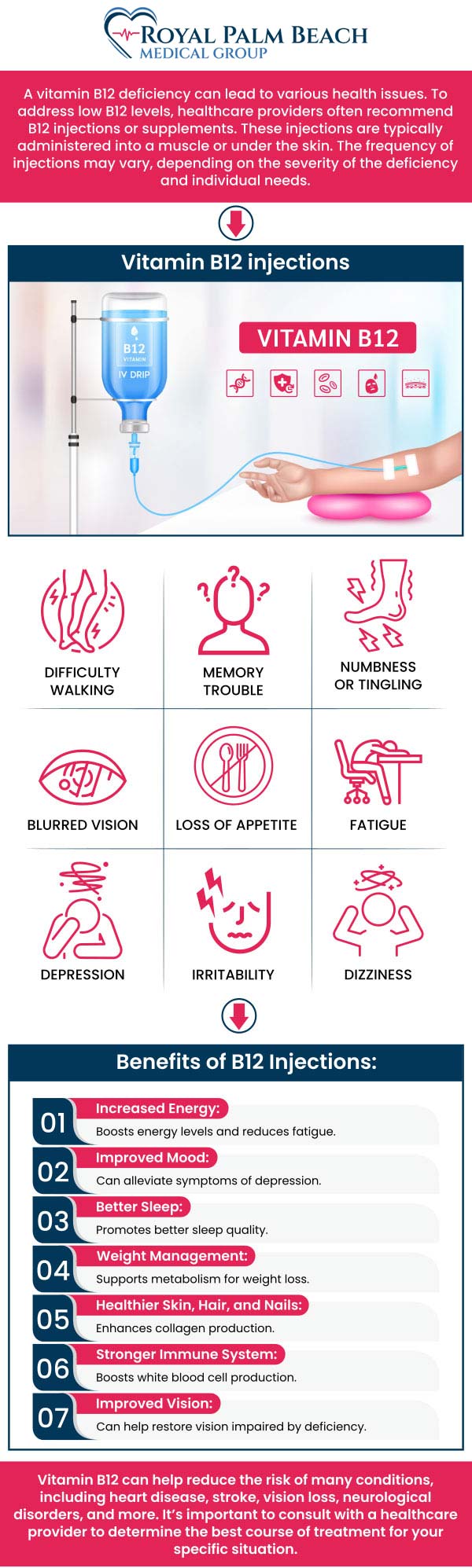
Product image (for reference)
FAQs
Can B12 injections cause high blood pressure?
They’re not generally known as a common direct cause of high blood pressure. If readings rise after an injection, it’s often related to stress, pain, an underlying cardiovascular condition, or a reaction to the injection process or formulation—so monitoring and clinician review are key.
How quickly do B12 shots work?
Some people notice improvements in energy or neurological symptoms within days to weeks, while others take longer depending on how low the levels were and what caused the deficiency. Lab-guided follow-up helps determine whether the response is on track.
Should I switch to injections if I already take oral B12?
Sometimes yes, but it should be based on a reason—like poor response on labs, suspected malabsorption, or adherence challenges. If you’re not improving, ask your clinician to evaluate the cause rather than escalating automatically.
Conclusion: A Reasoned Next Step
Vitamin B12 shots can be the right tool when you truly have B12 deficiency—especially if absorption is impaired or oral therapy isn’t working. On the question can b12 injections cause high blood pressure, B12 injections aren’t typically recognized as a direct cause, but temporary blood pressure increases can happen due to stress, pain, underlying hypertension, or reactions.
Next step: If you’re considering B12 injections (or already started them and saw high BP readings), talk with a clinician about checking relevant labs and review your blood pressure log measured in a calm state—then decide on dosing and monitoring based on evidence, not timing alone.
Discussion