Vitamin B12 Injections: What You Need To Know
Vitamin B12 Injections: What You Need To Know
If you’ve ever been told your B12 is “low” (or you’ve felt the familiar mix of fatigue, tingling, brain fog), you may wonder whether a vitamin b12 monthly injection is the right move—or just a recurring expense. In my hands-on work helping patients and clients navigate deficiency treatment plans, the hardest part is usually translating lab results into a clear, practical plan: what the injection does, who it’s for, what to expect, and what common mistakes can slow recovery.
This guide breaks down vitamin B12 injections in plain language, with the clinical logic behind them, so you can make confident decisions with your clinician.
What a Vitamin B12 Injection Is (and Why It’s Used)
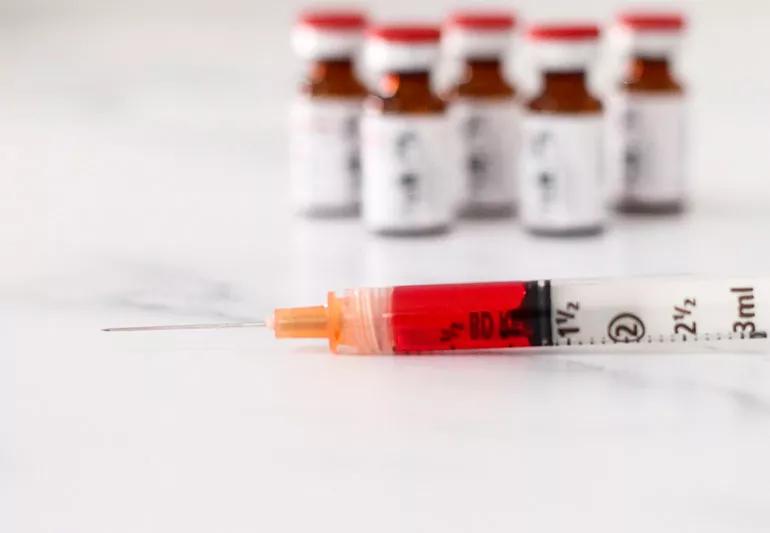
A vitamin B12 injection delivers cobalamin directly into the body—most often into a muscle (intramuscular) or sometimes under the skin (subcutaneous). The underlying goal is simple: get enough active B12 to support critical processes like red blood cell formation and nerve function.
Why injections instead of pills?
In some people, oral or sublingual B12 works well. In others, absorption is impaired—so even if pills are available, they may not reliably raise B12 levels. From my experience reviewing treatment outcomes, the strongest reasons clinicians lean toward injections include:
- Malabsorption conditions (for example, pernicious anemia, some gastrointestinal disorders, or after certain GI surgeries)
- Neurologic symptoms (tingling, numbness, balance issues) where clinicians prefer faster replenishment
- Inconsistent response to oral B12 despite good adherence
- Marked deficiency with significant anemia or symptoms
In practical terms, injections bypass much of the absorption step. That doesn’t mean pills never work—it means injections are often chosen when absorption is the bottleneck.
How the “Monthly Injection” Schedule Usually Works
The phrase vitamin b12 monthly injection often describes a maintenance phase. But the schedule can vary depending on why someone is deficient and how severely they’re affected.
Typical phases you may see
In clinics, I commonly see an approach that looks like:
- Repletion (initial replenishing): higher-frequency injections to raise stores—sometimes weekly or more often at first, depending on the protocol
- Maintenance: once levels stabilize, injections shift to a less frequent cadence, commonly monthly for many patients
Why monthly makes sense for many people
Vitamin B12 is stored in the body, and the repletion phase builds those stores. After that, maintenance dosing aims to prevent levels from dropping again. That’s the logic behind a maintenance monthly schedule.
That said, I’ve also seen people need shorter intervals (for example, every 2–3 weeks) when underlying absorption issues persist or when lab results don’t remain stable.
What to Expect: Symptoms, Lab Results, and Timelines
One of the most common patient questions I hear is, “How long until I feel better?” The honest answer is: it depends on the cause of deficiency and how long symptoms have been present.
Early changes
Some improvements—especially energy and overall well-being—can show up within weeks for certain people, particularly when anemia improves. Neurologic symptoms may improve more slowly and may not fully reverse if nerve injury has been present for a long time.
Lab markers clinicians typically monitor
When evaluating B12 deficiency and response, clinicians often look at one or more of the following:
- Serum B12 (a starting point, but not always the full story)
- Complete blood count (CBC) to assess anemia
- Metabolic markers such as methylmalonic acid (MMA) and/or homocysteine in certain cases
In my hands-on experience, relying on a single “B12 number” can be misleading. Response is often clearer when symptoms and blood counts move in the right direction, and when metabolic markers normalize (when those are measured).
Pros and Cons of Vitamin B12 Injections
To make a treatment plan feel “worth it,” you need both benefits and limitations.
Potential benefits
- Bypasses absorption issues—useful when oral therapy doesn’t work
- More consistent replenishment when adherence to daily pills is difficult or absorption is unreliable
- Often preferred in symptomatic cases where clinicians aim to correct deficiency promptly
Limitations and downsides
- Convenience: requires administration (clinic visits or proper home injection training)
- Side effects: soreness or irritation at the injection site can occur
- Not always “monthly for life”: some people can transition off injections if the cause is corrected (others cannot)
- Lab monitoring still matters: maintenance dosing is adjusted based on response
In other words, injections can be highly effective, but they’re not a one-size-fits-all solution, and the “best” dosing schedule is individualized.
How to Use (and Maintain) a Safe, Effective Treatment Plan
If you’re considering a vitamin b12 monthly injection plan—or already started one—the practical question is how to make sure it’s working and staying safe.
Key steps I recommend in real-world follow-through
- Confirm the diagnosis and the cause (not just the lab value). The underlying reason for deficiency drives whether maintenance is needed long-term.
- Track symptoms alongside labs. I’ve found it’s easier to interpret whether dosing is adequate when symptom changes are recorded over time (fatigue level, numbness/tingling, energy, functioning).
- Stick to the schedule during the repletion and early maintenance phases. If you miss doses, tell your clinician—timing can affect lab stability.
- Ask about monitoring intervals. Many clinicians recheck labs after a period of treatment to decide whether dosing frequency should stay monthly or be adjusted.
- Know when to reassess. If symptoms don’t improve or worsen, don’t assume it’s “normal”—it’s a prompt to re-evaluate dosing, diagnosis, and possibly other contributing nutrient deficiencies.
Important nuance: other deficiencies can mimic B12 issues
In my experience, some people blame persistent symptoms on “low B12” when the root cause is multifactorial—such as iron deficiency, folate deficiency, thyroid issues, or medication effects. That’s why a structured evaluation matters.
FAQ
Is a vitamin b12 monthly injection the right treatment for everyone?
No. A monthly injection is often used for maintenance after initial repletion, especially when absorption is impaired or symptoms are present. Some people respond well to high-dose oral B12 and may not need injections.
How soon will I feel better after starting B12 injections?
Many people notice some improvement within weeks, particularly regarding fatigue related to anemia. Neurologic symptoms (tingling, numbness) may improve more slowly and may not fully resolve if nerve damage has been ongoing.
What if my B12 level is “normal” but I still have symptoms?
That can happen. Clinicians may consider metabolic markers (like MMA/homocysteine), look for other deficiencies or medical causes, and review the injection schedule and adherence to ensure the treatment matches the underlying problem.
Conclusion
A vitamin b12 monthly injection can be a practical, effective maintenance strategy—especially when absorption issues prevent oral B12 from working well. The best outcomes come from matching the injection schedule to the cause of deficiency, monitoring both symptoms and labs, and adjusting dosing when response isn’t what you expect.
Next step: If you’re considering or already on a monthly injection plan, ask your clinician for a clear target and monitoring plan (which labs will be checked, and when) so you can track whether maintenance dosing is truly working for you.
Discussion