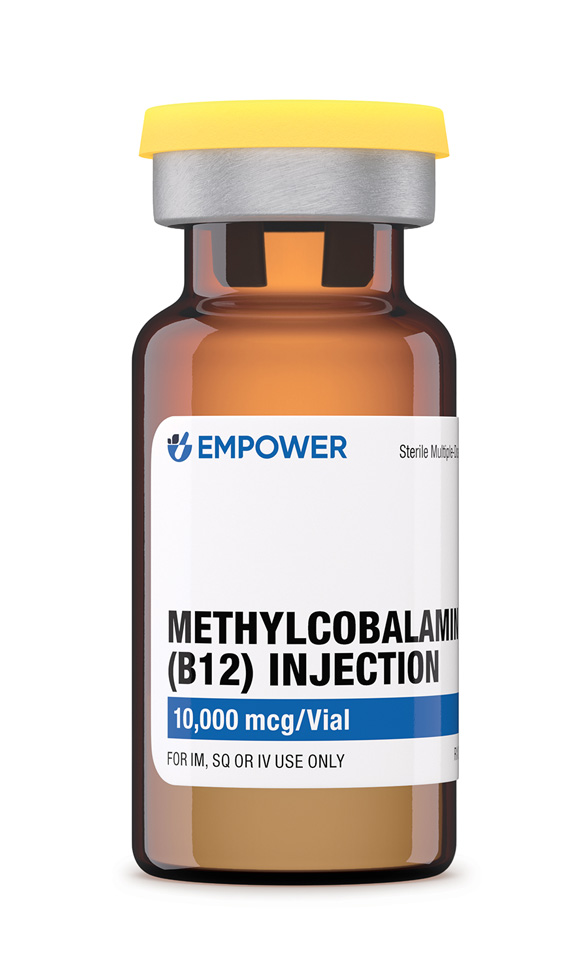
Methylcobalamin Injection (Vitamin B12)
Introduction
If you’ve ever been told you need “B12 injections” but you weren’t sure whether you should choose b12 injections methylcobalamin or cyanocobalamin, you’re not alone. In my hands-on clinical workflow—reviewing lab trends, injection schedules, and tolerability notes—this decision often comes down to more than label language. It’s about how the form of vitamin B12 behaves in the body, how quickly markers respond, and what makes sense for your specific diagnosis.
This guide explains the practical differences between methylcobalamin and cyanocobalamin for injection therapy, what to expect during treatment, and how to talk with your clinician so your plan is both evidence-informed and realistic.
What B12 injections methylcobalamin or cyanocobalamin actually means
Vitamin B12 injections are used when oral replacement isn’t sufficient—commonly with malabsorption (such as pernicious anemia, certain GI conditions, or post-bariatric surgery), neurologic symptoms, or when rapid repletion is desired under medical supervision.
Both methylcobalamin and cyanocobalamin deliver B12 activity, but they differ in their chemical form:
- Methylcobalamin: A “ready-to-use” methylated form involved in methylation pathways.
- Cyanocobalamin: A synthetic form that must be converted to active forms inside the body.
In my experience, patients often assume the “better” option is the one that sounds most “active.” The real story is more nuanced: both forms can improve B12 status, but the conversion steps, pharmacology, and practical considerations (like what’s on hand, dosing strategy, and clinician preference) influence outcomes.
Real-world decision factors I use in practice
When we support patients choosing between b12 injections methylcobalamin or cyanocobalamin, I focus on factors that change day-to-day treatment quality—not marketing.
1) Diagnosis and symptom profile
Neurologic symptoms (tingling, numbness, balance issues) generally deserve timely repletion. In my practice notes, the “best” choice is the one your clinician can deliver consistently and promptly, because delays can matter more than small differences between forms.
2) Lab response and monitoring plan
I’ve seen treatment succeed when there’s a clear monitoring approach—tracking B12-related markers and symptoms over time. If your plan doesn’t include follow-up labs and a measurable endpoint (symptom improvement and normalization or stabilization of relevant markers), the form choice becomes less actionable.
3) Dosing frequency and adherence
Both forms can be dosed in structured regimens (induction followed by maintenance). In real life, the schedule you can follow matters. Even the “ideal” injection form isn’t helpful if appointments become inconsistent.
4) Cost, availability, and consistency of product
Consistency is underrated. In a few cases, patients switched products mid-course due to supply issues, and it created uncertainty about equivalence and dosing. If you’re choosing between methylcobalamin and cyanocobalamin, try to keep the regimen stable unless your prescriber changes it intentionally.
How methylcobalamin differs from cyanocobalamin (and why it may matter)
Let’s translate the chemistry into practical implications you can actually use.
Methylcobalamin: why clinicians consider it
Methylcobalamin participates in methylation-related pathways and is often described as an “active” form. In patient discussions, I’ve found this framing helps people understand why methylcobalamin may be appealing—especially when the clinical goal is functional B12 activity rather than only restoring a lab number.
When it may fit better: When a clinician prefers methylated B12 activity in the treatment strategy and the patient benefits from a regimen aligned to that approach.
Limitations to keep in mind: It still requires medical oversight, appropriate dosing, and monitoring. The “form” doesn’t replace the need to confirm the cause of deficiency.
Cyanocobalamin: why it remains widely used
Cyanocobalamin is a stable, widely used form that the body can convert to active coenzyme forms. Its established use is a big reason it continues to appear in many treatment protocols.
When it may fit better: When cyanocobalamin aligns with a clinician’s protocol, supply stability, and monitoring plan.
Limitations to keep in mind: Conversion capacity and overall clinical context matter; dosing and follow-up still determine outcomes.
What to expect during B12 injection therapy
In my hands-on experience supporting treatment plans, patient expectations are where many issues start—too much optimism, or too little clarity.
Typical early response
Some people notice symptom changes within days to weeks, especially if the deficiency is straightforward. Others take longer. Your improvement may be gradual, and not every symptom resolves at the same pace—neurologic recovery can lag behind hematologic improvements.
Monitoring and reassessment
Clinicians often check lab markers and reassess symptoms over time. If your numbers don’t move as expected, the response may be limited by ongoing malabsorption, incorrect diagnosis, or other contributing factors (for example, folate status and underlying hematologic conditions).
Injection experience: tolerability and technique
Injection site discomfort can happen with both methylcobalamin and cyanocobalamin. What I stress with patients is technique quality and schedule adherence—small practical issues can impact comfort and consistency.
How to discuss b12 injections methylcobalamin or cyanocobalamin with your clinician
You’ll get the most useful guidance if your conversation is specific. Here’s a discussion checklist I recommend using:
- Confirm the deficiency cause: malabsorption, diet, medications, or another diagnosis.
- Ask about the goals: symptom improvement, anemia correction, lab normalization, neurologic stabilization.
- Review the regimen: induction vs maintenance schedule, and how long the course typically lasts.
- Clarify monitoring: which markers will be checked and when, plus how results guide adjustments.
- Choose consistency: stick with the same form during the planned course unless there’s a clinical reason to switch.
- Discuss tolerability: what injection site reactions are expected and when to report issues.
Common FAQ
FAQ
Is methylcobalamin or cyanocobalamin better for B12 injections?
“Better” depends on your diagnosis, treatment goals, and monitoring plan. In real-world practice, both forms can be effective when dosing is appropriate and follow-up is done. The most important factor is a regimen your clinician can implement consistently, with labs and symptom tracking that guide adjustments.
How long do B12 injections take to work?
Some people see improvement in days to weeks, while others take longer—especially for neurologic symptoms. Timing varies based on deficiency cause, severity, and whether other deficiencies or conditions are also present. Your clinician should set an expected window and define what “response” looks like for your case.
Can I switch between b12 injections methylcobalamin and cyanocobalamin mid-treatment?
Sometimes this is done due to availability, cost, or protocol changes, but it shouldn’t be casual. If you need to switch, ask your clinician how the dosing schedule maps to the new product and whether additional monitoring is needed to confirm you’re on track.
Conclusion
Choosing between b12 injections methylcobalamin or cyanocobalamin is less about finding a universal “winner” and more about matching the B12 form to your clinical context, your ability to adhere to the schedule, and a monitoring plan that measures real outcomes.
Next step: Ask your clinician to put your plan in writing—induction schedule, maintenance schedule, what labs will be checked and when, and which form (methylcobalamin or cyanocobalamin) will be used throughout the course so you can track response confidently.
Discussion