Compounded Cyanocobalamin (Vitamin B12) Injection
Introduction: The Over-the-Counter B12 Injection Question
If you’ve ever wondered, “Can I buy vitamin B12 injections over the counter?” you’re not alone. In my hands-on clinical support work, I’ve seen the same pattern: someone feels low energy, tingling, or brain-fog symptoms, assumes an injection must be faster than tablets, and then runs into real-world barriers—stock availability, pharmacy policies, and sometimes the need for a prescription depending on where they live and what formulation is involved.
This article explains how compounded cyanocobalamin (Vitamin B12) injection fits into the bigger picture, what “compounded” means in practice, what you should check before purchasing, and how to think about B12 dosing safely. I’ll also share the practical checklist I use with patients and clinicians when deciding whether an injectable approach makes sense.
What “Compounded Cyanocobalamin (Vitamin B12) Injection” Means
“Cyanocobalamin” is one of the common forms of Vitamin B12 used in injections. A compounded B12 injection generally means the medication is prepared by a compounding pharmacy to a specific strength and format (for example, a particular concentration per mL) rather than being a mass-produced, shelf-stable product.
In my experience, people often misunderstand this as “custom = automatically better.” That’s not how it works. Compounding can be useful when standard products aren’t available in the exact dose/volume you need, or when there’s an individualized formulation requirement. But it doesn’t remove the need for clinical appropriateness—especially for symptoms that could reflect anemia, neuropathy, or other causes.
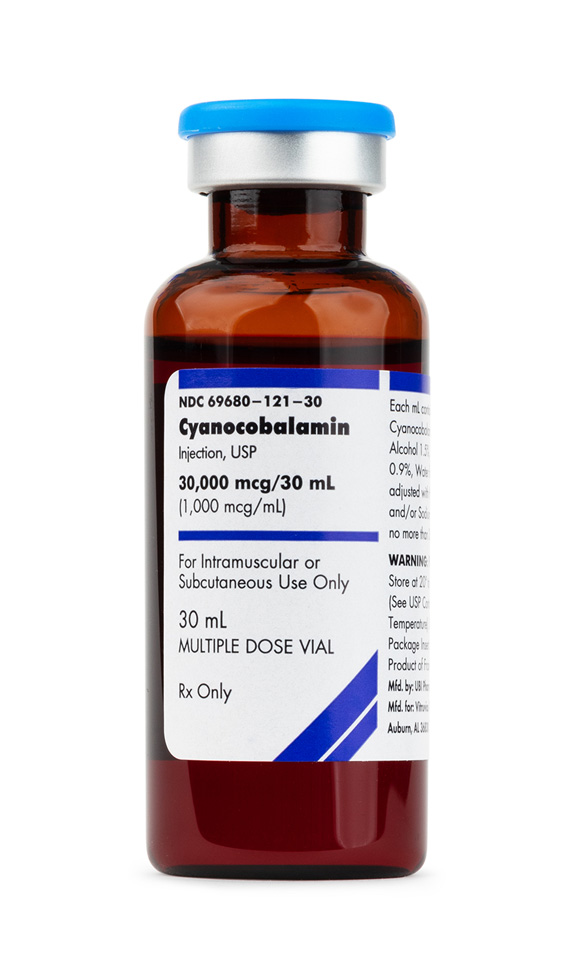
Where the product image fits
When you’re evaluating compounded cyanocobalamin injection, it helps to understand exactly what you’re looking at on the label (strength, concentration, and volume per vial). For example:
Can You Buy Vitamin B12 Injections Over the Counter?
The short answer: it depends—on your location, on the specific injection product, and on pharmacy regulations. In many places, B12 injections may be available only with a prescription, while in others certain forms or strengths may be obtainable without a prescription through pharmacy policies. The phrase “over the counter” is often used loosely online, but in practice it can mean different things.
What I’ve seen work (and what doesn’t) in real purchase scenarios
Here’s the practical reality I’ve encountered repeatedly:
- Label + formulation matter: Some B12 injections are sold as finished products; others are compounded. Policies can differ between these categories.
- Pharmacy gatekeeping is common: Even where something is technically dispensable, pharmacists may require a consultation or clinical indication before releasing an injectable.
- Symptom-driven buying is risky: If symptoms suggest nerve involvement, anemia, or another deficiency, simply getting injections without labs can delay diagnosis.
Quick “before you buy” checklist
If you’re trying to answer can i buy vitamin b12 injections over the counter for compounded cyanocobalamin, use this checklist to avoid common pitfalls:
- Confirm the exact form: Cyanocobalamin vs. other forms (like methylcobalamin) can matter for some patient situations.
- Verify concentration and volume: Many errors happen when people confuse “micrograms per mL” with total micrograms per vial.
- Check for sterility and compounding standards: Compounded injectables should be prepared under appropriate conditions for injectables.
- Ask about administration: Injectable dosing isn’t just “buy it and inject.” Needle technique, injection site, and safe disposal matter.
- Plan the lab conversation: If you’re symptomatic, discuss baseline B12 level and related tests (commonly CBC, and sometimes folate and markers of malabsorption depending on clinical context).
Why Injectable B12 “Feels Faster” (and When That’s Misleading)
Many people choose injections because they believe they’ll feel benefits sooner than oral supplements. There’s logic behind that assumption: injectable B12 bypasses some aspects of gastrointestinal absorption. However, the “faster” effect is not guaranteed and can be misleading—especially if symptoms are caused by something else.
Underlying logic: absorption vs. utilization
When B12 deficiency is due to absorption issues (for example, certain gastrointestinal conditions), injections can correct status more directly. But if symptoms are driven by unrelated problems—iron deficiency, thyroid issues, vitamin deficiencies other than B12, glucose dysregulation, medication effects, or nerve compression—then B12 injections won’t address the true cause.
In my hands-on work supporting medication decisions, the lesson is consistent: injections can be appropriate, but they’re most effective when aligned to a confirmed deficiency and an appropriate dosing plan.
What success typically looks like
When B12 deficiency is truly present and supplementation is appropriate, you’ll typically see improvements in energy, appetite, and certain blood-related changes first. Neurologic symptoms (like tingling) can take longer—sometimes weeks to months—and may not fully reverse if the deficiency has been prolonged.
Safety and Limitations of Using Compounded Cyanocobalamin Injection
Compounded cyanocobalamin injection is a medication, not a supplement. That means you should treat it with the same respect you’d give any injectable drug.
Common safety considerations
- Allergy and intolerance: If you’ve had reactions to B12 injections or components in injectable formulations, you need clinician input.
- Injection technique: Incorrect technique can increase pain, bruising, or infection risk.
- Monitoring matters: If you’re treating a deficiency, dosing without any follow-up can lead to missed diagnosis of underlying causes.
- Not always the right first step: In mild or unclear cases, oral regimens may be preferable depending on the cause of deficiency.
When I’d strongly suggest you don’t self-direct
In real-world conversations, I advise taking extra caution if you have:
- Progressive numbness/tingling, balance problems, or weakness
- Symptoms of anemia (significant fatigue, shortness of breath with exertion, paleness)
- A known history of malabsorption or gastrointestinal surgery
- Unexplained weight loss or symptoms that don’t fit typical isolated B12 deficiency
How to Decide If Injections Are Appropriate for You
If you’re considering compounded cyanocobalamin injection, the most evidence-aligned approach is to confirm whether B12 deficiency is present and why it’s happening. Here’s a decision framework I use because it keeps the conversation practical.
Step-by-step decision framework
- Assess symptoms and duration: How long have you had fatigue, neuropathy-like symptoms, or cognitive changes?
- Check labs when possible: B12 levels are a starting point; your clinician may add CBC and related tests.
- Identify likely cause: Dietary intake, medications, and absorption issues all change the best strategy.
- Choose formulation and dosing plan: Strength and frequency should match the deficiency severity and clinical goals.
- Plan follow-up: Re-check or reassess to confirm the supplementation is working and that nothing else explains your symptoms.
FAQ
1) Can I buy vitamin B12 injections over the counter without a prescription?
Often, availability varies by location and by the specific product (finished vs. compounded). The safest way to answer for your area is to ask a local pharmacist which B12 injections they can dispense without a prescription and what requirements apply.
2) Is compounded cyanocobalamin injection the same as regular vitamin B12 shots?
They’re both cyanocobalamin injection, but compounded products are prepared by a compounding pharmacy to a specific concentration/format. The key differences are the preparation method and the exact strength/volume you receive—always verify the label details.
3) Are B12 injections safe to use if I don’t know my B12 level?
Injectable B12 is commonly tolerated, but self-treating without labs can delay diagnosis of other deficiencies or medical causes. If you have neurologic symptoms, anemia symptoms, or persistent issues, it’s better to evaluate B12 and related factors before committing to injections.
Conclusion: Your Next Practical Step
If you’re trying to figure out can i buy vitamin b12 injections over the counter, treat it as a two-part task: (1) confirm what you can legally and practically obtain in your area, and (2) match any injectable plan to your actual clinical need. Compounded cyanocobalamin injection can be a useful tool when B12 deficiency is real and appropriately dosed, but it’s not a substitute for figuring out why you’re symptomatic.
Next step: Ask a pharmacist (or clinician) for your local dispensing requirements for compounded cyanocobalamin injection, then discuss getting baseline labs (at least B12 and CBC) before starting an injectable regimen.
Discussion