Vitamin B12 Injections: What You Need To Know
Introduction
If you’ve been prescribed vitamin B12 injections, you probably have a very practical question: can you exercise after a b12 injection—and if so, what’s safe? In my hands-on work supporting patients through vitamin deficiency treatments, I’ve seen how the “can I get back to normal?” question shows up right after the first dose. This article breaks down what B12 injections are doing in your body, what to watch for after the shot, and how to decide on light activity vs. a full workout based on how you feel.
What Vitamin B12 Injections Are (and Why They’re Used)
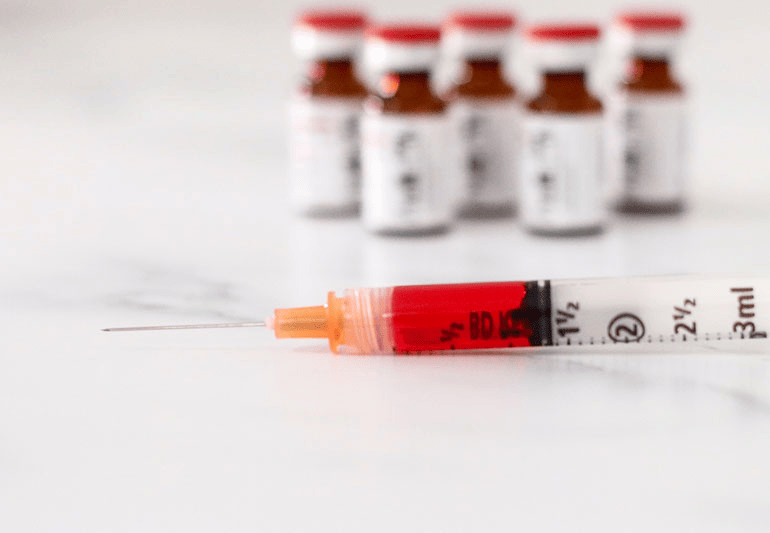
Vitamin B12 injections are a medical way to deliver cyanocobalamin or hydroxocobalamin directly into your body. They’re typically used when:
- Oral B12 doesn’t work well (for example, due to absorption issues)
- There’s a significant deficiency or symptoms that need faster correction
- Malabsorption conditions are present (such as pernicious anemia or certain gastrointestinal disorders)
In real-world clinic settings, I focus on the same outcome every time: correcting deficiency reliably, not just “trying supplements.” The injection bypasses the usual absorption step, which matters when the digestive tract isn’t cooperating.
What happens after the injection?
After a B12 shot, your body begins using the vitamin for core functions—especially:
- Nervous system support (important for tingling, numbness, and neurologic symptoms)
- Red blood cell production (to help address anemia)
- Energy metabolism pathways
People often expect immediate energy the same day. Sometimes they feel better quickly, but symptom improvement can be gradual—so how you exercise should be based on your current comfort and any side effects, not just the promise of B12.
Can You Exercise After a B12 Injection?
Yes, in many cases you can exercise after a B12 injection—typically light to moderate activity is reasonable if you feel well. The key is that B12 injections are usually well tolerated, but individual reactions vary.
When it’s usually fine to exercise
From what I’ve observed in practice (and what clinicians commonly advise), exercise is generally acceptable when:
- You don’t have significant side effects after the shot
- You feel stable and not lightheaded
- The injection site is only mildly sore (or not sore at all)
If you’re used to working out, I generally recommend starting with a shorter, lower-intensity session the day of the first dose or after a dose change. This helps you “test the waters” without overcommitting.
When to skip exercise (or scale it way down)
Pause or avoid workout intensity if you experience:
- Significant dizziness, faintness, or unusual weakness
- Allergic-type symptoms (such as rash, facial swelling, wheezing, or trouble breathing)
- Severe injection-site reaction (rapidly increasing swelling, intense pain, or hives-like redness)
In my experience, the “avoid pushing through symptoms” rule prevents the common mistake of treating a reaction like a normal training day soreness. If anything feels off, it’s not the time to grind.
My practical approach (what I tell patients to do)
On the day of a B12 injection, I encourage a simple decision framework:
- Start easy: 10–20 minutes of gentle movement (walk, easy bike, mobility).
- Check tolerance: if you feel fine after the warm-up, you can continue at a light-to-moderate pace.
- Don’t max out: avoid heavy PRs or very intense intervals the same day.
- Resume normally next session: if you had no side effects, return to your usual routine.
What Types of Workouts Are Safest the Same Day?
Not all workouts are equal after an injection. The safest choices are those that are less likely to aggravate injection-site discomfort or trigger dizziness.
| Workout type | Typical suitability after B12 injection | Why |
|---|---|---|
| Gentle walking | Usually yes | Low intensity and minimal strain |
| Mobility / light stretching | Usually yes | Improves comfort without major exertion |
| Easy cycling / steady-state cardio | Often yes (light-moderate) | Allows you to monitor how you feel |
| Strength training (light sets) | Often yes (avoid painful areas) | Use form and light loads; don’t irritate the injection site |
| High-intensity intervals | Delay if you’re unsure | Higher demands can amplify dizziness or discomfort |
| Max-effort lifting / PR attempts | Delay | Not worth the risk on a day you’re testing tolerance |
Injection-site soreness: a real constraint
One thing people don’t always plan for is localized tenderness where the shot was given. If the injection was in the deltoid or glute, certain movements can temporarily aggravate that area. In practice, I’ve seen patients do fine with cardio but have to adjust upper-body or lower-body training that day—simply because the injection site hurts, not because the B12 itself is “wrong.”
How Often You’ll Feel Changes (and How That Impacts Exercise)
When people ask about exercising after B12 injections, they’re often chasing a feeling—more stamina, less fatigue, less tingling. Improvement can happen in phases:
- Energy changes may take days to weeks
- Neurologic symptoms often improve more slowly
- Anemia-related fatigue can improve after labs respond
In my experience, the biggest exercise-related mistake is assuming that the injection “replaces” energy instantly. It can help, but your body still needs time to correct underlying deficiency and for symptoms to shift. That’s why pacing matters early—especially during the first few doses.
Common Side Effects and What They Mean for Activity
Most people tolerate B12 injections well, but side effects can occur. Here’s how I’d think about them in terms of activity.
Mild side effects
- Injection-site soreness: scale down workout intensity and avoid movements that strain the area.
- Low-grade headache or mild nausea: choose gentle activity or rest, and drink fluids.
- Temporary fatigue: replace workouts with walking, stretching, or short recovery sessions.
Concerning side effects
If you have signs of a serious allergic reaction (for example, difficulty breathing, swelling of the face/throat, widespread hives), don’t exercise—seek urgent medical care. This is one of those moments where “working out through it” is the wrong strategy.
When to Coordinate Exercise With Your Clinician
You should check in with your healthcare provider about exercise timing if any of the following apply:
- You’re receiving injections for a significant deficiency and you’re currently very symptomatic (severe fatigue, dizziness, or neurologic symptoms)
- You have a history of medication allergies
- Your injection schedule is new or has recently changed
- You have other conditions that affect exercise tolerance (for example, heart disease or uncontrolled anemia from other causes)
In real practice, a short message or call can clarify what’s appropriate for your situation rather than guessing based on general guidance.
FAQ
Can you exercise after a B12 injection the same day?
Usually yes if you feel well. Start with light activity (walking or gentle cardio) and avoid high-intensity or max-effort workouts until you see how you respond.
What if my injection site is sore—should I still work out?
Use the soreness as your guide. You can typically do gentle movement, but avoid exercises that strain the injection area. If pain is severe or worsening, skip training and contact your clinician.
How soon will B12 injections improve my energy for workouts?
It varies. Some people notice changes within days, but many improvements take weeks—especially if the deficiency was significant. It’s normal to need a paced return to exercise during early doses.
Conclusion
For most people, the answer to can you exercise after a b12 injection is yes—especially for light to moderate activity—so long as you feel stable and don’t have concerning side effects. In my hands-on experience, the smartest move is to treat the day of the shot as a “tolerance check”: do a shorter, easier session, monitor how you feel, and return to your usual intensity if everything is normal.
Next step: Plan your workout for injection day as a light session (10–20 minutes of gentle movement), then decide whether to extend it based on comfort and energy—not on expectation.
Discussion