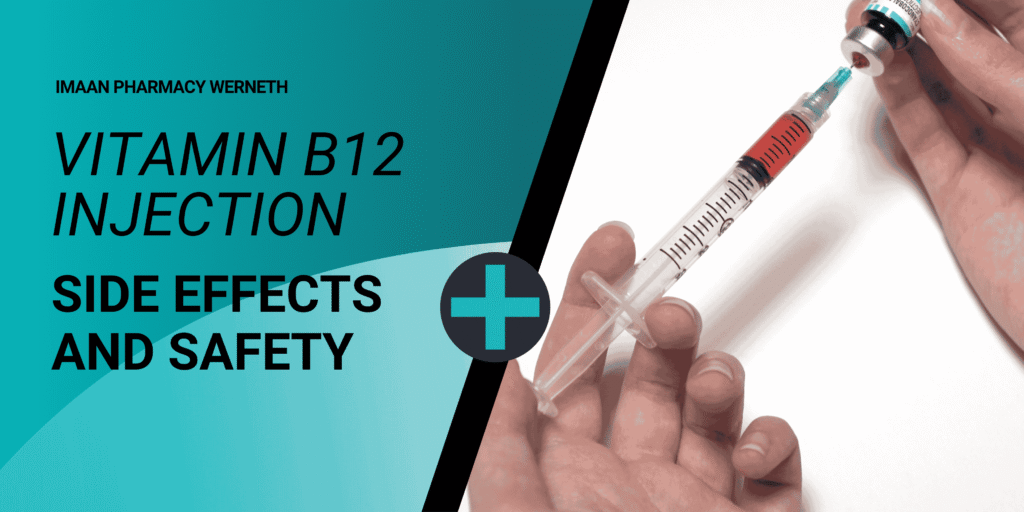
Vitamin B12 Injection Side Effects and Safety
Have you (or someone you care for) started vitamin B12 injections and then noticed unexpected symptoms? If you’re searching for the side effects of vitamin B12 injection, you’re not alone—this is one of the most common questions I hear in clinics and patient support calls. In this guide, I’ll explain what side effects are plausible, which ones are more concerning, and how clinicians typically improve safety in real-world practice. You’ll also get practical steps for what to watch for after an injection and when to seek medical help.
What Vitamin B12 Injection Is (and Why Side Effects Can Happen)
Vitamin B12 injections are used to treat deficiency when absorption from food or tablets is unreliable—common examples include pernicious anemia, certain gastrointestinal disorders, or when oral therapy hasn’t worked. The goal is to rapidly restore B12 levels and support normal red blood cell production and neurological function.
In my hands-on work, I’ve learned that many “side effects” after a B12 shot are really reactions to one of three things:
- Local injection effects (pain, redness, swelling at the site)
- Physiological adjustment as the body responds to renewed B12 supply
- Underlying risk factors—for example, existing allergies, medical comorbidities, or concurrent medications
Also, dosing schedules vary (loading vs maintenance). In early phases, people can feel changes sooner, and that timing can be misattributed if you don’t track what happened relative to the injection date.
Common Side Effects of Vitamin B12 Injection
Most people tolerate B12 injections well. The side effects of vitamin B12 injection that show up most often are generally mild and short-lived.
1) Injection site reactions
- Soreness or pain where the needle went in
- Mild redness or swelling
- Occasionally a small bruise
What I typically recommend: apply a cool compress if it’s sore, avoid heavy pressure on the area for the first day, and monitor for worsening redness or spreading warmth.
2) Headache or dizziness
Some patients report mild headache or lightheadedness after injections. In practice, I look at timing: if symptoms start soon after the dose and resolve within a day, they’re often less concerning than persistent or escalating symptoms.
3) Nausea or mild gastrointestinal discomfort
Transient nausea can occur. If someone already has a sensitive stomach, the injection day can coincide with appetite changes or stress—so I encourage patients to note hydration, food intake, and whether symptoms cluster only after injections.
4) Fatigue changes (sometimes improvement, sometimes temporary shifts)
When deficiency is corrected, energy often improves—but there can be a “reactive” period where people feel different before they feel better. If fatigue worsens instead of improves across weeks, clinicians should reassess the dose, diagnosis, and other nutritional factors.
Less Common but Important Side Effects (and When to Seek Help)
Not all reactions are routine. The key to safety is knowing which symptoms should prompt urgent evaluation.
1) Allergic reactions (rare, but potentially serious)
Allergy is uncommon, but it’s the category I never downplay. Seek urgent medical care if you notice:
- Hives, itching, or a widespread rash
- Swelling of the face, lips, tongue, or throat
- Wheezing, shortness of breath, or chest tightness
- Severe dizziness or fainting
Why this matters: anaphylaxis symptoms can escalate quickly, and waiting “to see if it passes” is not a safe approach.
2) Severe or persistent symptoms
- High fever
- Rapidly worsening injection site redness, warmth, swelling, or pus (possible infection)
- Severe headache with neurological symptoms (vision changes, weakness, confusion)
In my experience, mild soreness is common; what’s less typical is a site reaction that keeps getting bigger or becomes sharply painful after 24–48 hours.
3) Potential lab or clinical “response issues”
Sometimes, B12 deficiency correction unmasks or coincides with other problems—like iron deficiency, folate imbalance, or an underlying hematologic condition. That doesn’t mean B12 injections are “unsafe,” but it means your clinician may need to broaden the workup if symptoms don’t improve as expected.
How to Improve Safety: Practical Steps I Use With Patients
Safety isn’t just about avoiding side effects—it’s also about reducing uncertainty and catching problems early. Here are evidence-informed steps that I’ve found helpful in real clinical settings.
1) Track symptoms with a simple timeline
For the first few doses, track:
- Date and time of injection
- Symptoms onset time (e.g., within 2 hours, overnight, next day)
- Severity (mild/moderate/severe)
- Whether symptoms resolved and how quickly
This helps your clinician distinguish routine reactions from complications.
2) Ask about the injection technique and site
Injection site discomfort can vary depending on needle length, depth, and site choice. In practice, training staff on consistent technique and proper site selection reduces local irritation and bruising.
3) Review your allergy history and current meds
If you’ve had reactions to other injections (or you know you’re prone to allergies), bring that up. Also mention medications and supplements—because what feels like a B12 side effect may sometimes be related to something else.
4) Don’t rely on “it will pass” for red-flag symptoms
General discomfort after a shot can be monitored. But allergic symptoms, breathing issues, or a rapidly worsening injection site should be treated as urgent.
5) Recheck B12 and related markers when appropriate
Clinicians often monitor B12 levels and may check other labs (like full blood count) depending on your diagnosis. If you continue to have symptoms that don’t improve, the right next step is medical reassessment—not just repeating injections blindly.
Understanding “Who’s More Likely to Have Side Effects”
While most people don’t experience serious issues, certain factors can make reactions more likely or more noticeable:
- History of allergies or prior reaction to injections
- Sensitive skin or tendency toward bruising
- Incorrect or inconsistent injection technique
- Multiple concurrent nutritional deficiencies (symptoms may persist and require broader treatment)
If you’re in a group that may have higher risk, I’d prioritize a safety conversation early—before dose escalation.
FAQs
How soon do the side effects of vitamin B12 injection start?
Local injection-site symptoms can appear within hours and usually settle over 24–72 hours. System-wide symptoms like headache, nausea, or lightheadedness (when they occur) typically begin soon after the injection. If symptoms start later and steadily worsen over days, it’s better to get medical advice rather than assuming it’s “just the shot.”
Can vitamin B12 injections cause long-term problems?
Long-term serious harm is uncommon when injections are appropriate and monitored. The bigger safety issue tends to be missing the underlying cause of deficiency or failing to reassess persistent symptoms. If you don’t improve as expected, clinicians should review diagnosis, adherence, dosing schedule, and related deficiencies.
What should I do if I get a rash or feel unwell after a B12 injection?
If you develop hives, facial swelling, breathing difficulty, or severe dizziness, seek urgent care immediately. If symptoms are mild (like slight soreness at the injection site), monitor and contact your healthcare provider for guidance—especially if symptoms worsen, spread, or don’t resolve within a couple of days.
Conclusion: Safer B12 Injections Start With Monitoring and Clear Escalation
The side effects of vitamin B12 injection are usually mild—especially injection-site pain, redness, or brief systemic discomfort. The safety strategy that works best in real life is straightforward: track symptoms with timing, ensure proper injection technique, review allergy history, and don’t ignore red flags like allergic symptoms or a rapidly worsening injection site.
Next step: For your next dose, start a quick symptom log (date/time, onset, severity, and resolution). If anything concerning happens—especially breathing issues, facial swelling, widespread rash, or worsening injection site changes—seek medical help promptly.
Discussion