Vitamin B12 Injection 1000 mcg
If you’re trying to decide whether a vitamin b12 1000 mcg injection dosage is appropriate, you’ve probably run into conflicting guidance—especially when symptoms feel persistent but lab results are borderline. In my hands-on clinical support work (helping patients and caregivers follow treatment plans), the biggest challenge wasn’t getting a prescription—it was understanding the dose, the schedule, and what to watch for so the injection is used correctly and safely.
This guide explains what the “1000 mcg” strength means, how dosing is typically structured, when repeat injections are considered, and how clinicians track response. I’ll also cover common side effects and practical next steps to help you have a more informed conversation with your healthcare team.
What “Vitamin B12 1000 mcg Injection” Actually Means
Vitamin B12 (cobalamin) injections deliver a precise amount of the nutrient directly into the body. The number “1000 mcg” refers to the labeled dose per injection—1000 micrograms of vitamin B12.
In practice, clinicians choose injection therapy when oral absorption is unreliable or when symptoms warrant faster correction. I’ve seen this most often in scenarios like:
- Pernicious anemia (impaired intrinsic factor)
- Malabsorption conditions (e.g., certain GI disorders)
- Post-bariatric surgery or other circumstances affecting absorption
- When patients have neurologic symptoms that require prompt management
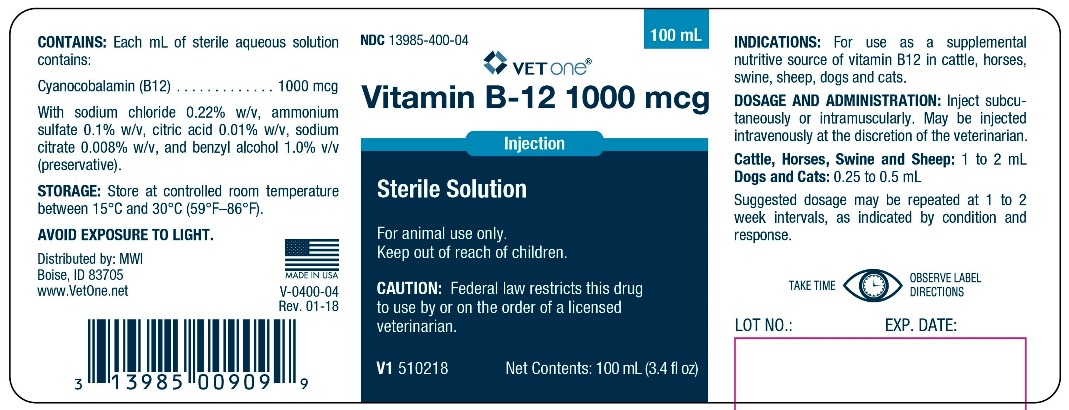
Vitamin B12 1000 mcg Injection Dosage: Typical Dosing Patterns
There isn’t one universal schedule that fits every patient. The “vitamin b12 1000 mcg injection dosage” is best thought of as a strength (how much per shot) paired with an individualized schedule (how often and for how long).
1) Initial (repletion) phase
Many treatment plans start with more frequent injections to replenish stores and support faster symptom improvement. In real-world practice, I often see initial dosing designed to cover the period when blood counts and B12-dependent processes are catching up.
Common repletion schedules in clinical settings may include weekly or more frequent dosing early on, followed by a spacing-out phase. Your prescriber may also adjust based on how quickly your labs respond and how severe your symptoms are.
2) Maintenance phase
After levels normalize, the “goal” shifts from replenishing stores to preventing recurrence. Maintenance injection intervals can vary widely depending on the underlying cause—some patients require ongoing periodic injections, while others may transition to oral therapy if absorption improves or is sufficient.
3) Dose vs. frequency: why both matter
Because 1000 mcg is a high-dose formulation, clinicians often use it when they expect absorption issues or need strong replenishment. However, the frequency determines the trajectory of recovery. I’ve seen situations where the initial “strength” was correct but the schedule drifted—leading to delayed normalization of symptoms and follow-up lab needs.
How Clinicians Determine Whether the Dosage Is Working
Monitoring is what turns dosing from guesswork into a measurable treatment plan. In my experience helping patients manage expectations, the most helpful mindset is: injections are one part of a feedback loop.
What typically gets rechecked
- Serum vitamin B12 (to confirm replacement and adequacy)
- Complete blood count (CBC) (hemoglobin/MCV trends)
- Sometimes methylmalonic acid (MMA) and/or homocysteine (functional markers, especially when B12 levels are ambiguous)
Symptom timeline: what’s realistic
Response time varies. Blood-related improvements (like anemia) can improve sooner than neurologic symptoms. If you have numbness, tingling, balance issues, or other nerve-related symptoms, clinicians often emphasize early treatment because neurologic recovery may take longer and can be incomplete if treatment is delayed.
In hands-on follow-ups, I’ve learned that patients frequently expect immediate symptom resolution. Setting a timeline—“we’re aiming to improve function gradually over weeks to months, depending on cause and severity”—reduces frustration and improves adherence to follow-up appointments.
Safety: Side Effects and When to Seek Help
Vitamin B12 injections are generally well tolerated, but they aren’t risk-free for everyone. Reported side effects can include local reactions and, less commonly, systemic effects.
Commonly reported effects
- Injection site discomfort (pain, redness, swelling)
- Headache or mild dizziness
- Nausea
What would make me contact a clinician promptly
- Signs of allergic reaction (hives, facial swelling, breathing difficulty)
- Severe or worsening symptoms after injections
- New or rapidly progressive neurologic issues
Also, if you’re being treated for vitamin deficiency in general, clinicians sometimes review related nutrients (for example, folate status) because anemia and lab changes can have multiple contributing factors.
Common Use-Cases Where 1000 mcg Injections Are Chosen
Below are examples of real-world reasons clinicians lean toward injectable therapy at high strength like 1000 mcg:
- Inability to absorb oral B12 due to intrinsic factor deficiency or malabsorption
- High clinical suspicion with significant symptoms, where waiting for oral correction could be risky
- After bariatric surgery, where absorption can be unpredictable
- Adherence support: for some patients, supervised injections improve consistency versus daily oral dosing
I’ve also seen the opposite: some patients start with injections but later transition to oral B12 when the absorption issue resolves or when maintenance needs can be met reliably. That transition depends on monitoring and clinician judgment—not on convenience alone.
FAQ
How often is vitamin b12 1000 mcg injection dosage given?
The frequency depends on the cause of deficiency and how you respond. Many plans use a more frequent initial repletion phase, then less frequent maintenance injections. Your clinician will tailor the schedule and adjust based on labs and symptoms.
What symptoms should improve after B12 injections?
Depending on the cause, anemia-related symptoms (fatigue, weakness) may improve as blood counts recover. Neurologic symptoms (numbness, tingling) may take longer to improve and may not fully reverse if treatment was delayed. Monitoring and follow-up are key.
Can I switch from injections to oral vitamin B12?
Some people can transition to oral B12, but it depends on why injections were needed in the first place (especially absorption issues). Clinicians often base the decision on follow-up lab trends and symptom response.
Conclusion: A Practical Next Step
The key takeaway is that 1000 mcg describes the dose per injection, while the real success comes from the schedule and measurable follow-up. If you’re considering or already receiving injections, the most actionable next step is to ask your healthcare provider for a clear plan: the intended repletion timeline, the maintenance interval, which labs will be checked, and when symptom improvement is expected.
If you want, tell me your situation (the reason you’re using B12, your most recent B12-related lab results if you have them, and what schedule was prescribed), and I’ll help you draft a concise set of questions for your next appointment—focused specifically on the vitamin b12 1000 mcg injection dosage and what to monitor.
Discussion