Vitamin B-12 Injection, 3,000 mcg/ml
Vitamin B-12 Injection, 3,000 mcg/mL: How to think about B12 injections for animals
If you’ve ever managed a sick pet with vague symptoms—poor appetite, lethargy, weakness, or lab abnormalities—you know how frustrating it can be when the “root cause” isn’t obvious. In my hands-on work with small animal and equine cases, I’ve learned that b12 injections for animals can be a helpful tool, but only when you understand what vitamin B-12 does, when injections actually make sense, and how to use them safely and correctly alongside the rest of the treatment plan.
This guide explains how to interpret B-12 injection therapy (specifically Vitamin B-12 Injection, 3,000 mcg/mL), what outcomes are realistic, what to monitor, and common pitfalls that slow down recovery.
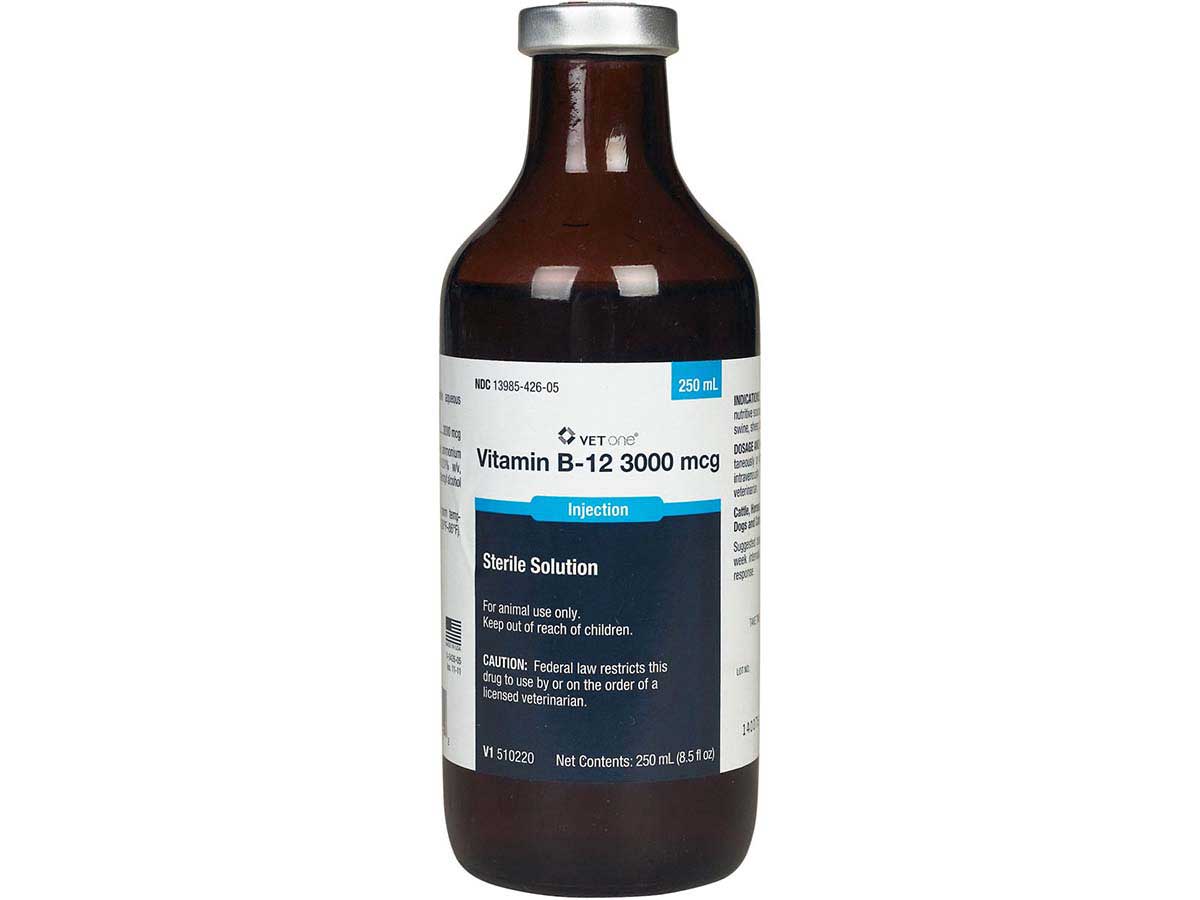
What vitamin B-12 injection is designed to do
Vitamin B-12 (cobalamin) is essential for normal red blood cell formation, nerve function, and DNA synthesis. In veterinary patients, B-12 injection therapy is typically considered when there’s evidence of deficiency or impaired absorption.
Why the injection form matters
In many cases, the concern isn’t only “low B-12 in the diet,” but malabsorption. When the gut can’t absorb nutrients effectively, oral supplementation may not correct the problem fast enough—or at all. An injectable product can bypass the absorption bottleneck, which is one reason clinicians reach for B-12 injections rather than simply switching diets.
Underlying logic: symptoms don’t always equal deficiency
One lesson I emphasize to clients: B-12 deficiency can contribute to anemia and neurologic signs, but those same signs can also come from blood loss, inflammatory disease, chronic kidney issues, toxins, parasites, or bone marrow disorders. That’s why the most responsible approach ties injections to diagnostics (when available) and a plan to address the cause—like intestinal disease, pancreatic insufficiency, or microbiome disruption.
When b12 injections for animals are most likely to help
In my practice, the most consistent “yes, this helped” scenarios usually fall into a few buckets. Not every case needs injections, but when the pattern fits, improvement can be meaningful.
1) Suspected or confirmed malabsorption
If a patient has GI disease symptoms (chronic diarrhea, weight loss, poor condition) and lab work or clinical course suggests impaired nutrient absorption, clinicians often evaluate whether B-12 is part of the deficiency picture. Injection therapy can support recovery while other treatments target the underlying GI problem.
2) Certain anemias or lab patterns where cobalamin is relevant
B-12 plays a role in normal hematologic function. In animals with anemia where deficiency is suspected, B-12 injections may be used as part of a broader evaluation and supportive care plan.
3) Patients that can’t reliably take or absorb oral supplements
For patients that are vomiting, have severe GI upset, or simply won’t tolerate oral products, injection therapy may be the practical way to maintain vitamin support while you stabilize the patient.
What I track to judge whether it’s working
I don’t rely on “energy feels better” alone. Depending on the case, I monitor appetite, body condition trend, hydration, stool consistency, and (when appropriate) repeat lab parameters over time. If there’s no clinical direction after a reasonable window, that’s a prompt to reassess the diagnosis and the overall plan rather than keep injecting blindly.
How to use Vitamin B-12 Injection, 3,000 mcg/mL safely (what matters in real life)
Because dosing and route selection depend on the species, weight, and medical context, the safest approach is to follow a veterinarian’s prescription and instructions exactly. I can’t provide a one-size-fits-all dosing schedule here, but I can highlight the practical elements that most affect outcomes and safety.
Choose the correct route and avoid dosing mistakes
B-12 injections for animals can be administered via routes specified by the prescribing clinician. In real-world settings, I’ve seen delays happen when caregivers use the wrong product concentration, measure incorrectly, or mix up administration technique. Keeping a dosing checklist and double-checking the concentration (3,000 mcg/mL) before administering reduces errors.
Confirm patient factors that change the plan
- Species and life stage: small differences can matter.
- Concurrent disease: GI disease, endocrine conditions, or chronic inflammation can affect response.
- Other therapies: antibiotics, anti-inflammatory meds, antiparasitics, or nutrition changes should be coordinated rather than treated as separate silos.
Storage and handling: small details, big impact
In my experience, the “technical” steps are where outcomes are won or lost: keeping the vial stored per label guidance, using sterile technique, and avoiding contamination. If a product looks compromised (e.g., unexpected particles or discoloration), it should not be used.
Realistic expectations and common limitations
Vitamin B-12 injections can address a deficiency and support hematologic and neurologic processes, but they won’t fix every cause of weakness or anemia. If the underlying issue is ongoing—such as uncontrolled intestinal disease—B-12 alone may provide partial benefit or a temporary lift. In those situations, the injection is best viewed as part of a combined treatment approach.
Decision checklist: b12 injections for animals vs. other next steps
When I evaluate whether B-12 therapy belongs in the plan, I ask questions that help separate “vitamin deficiency support” from “missing root cause.” Use this as a practical checklist to discuss with your veterinarian:
- Is there evidence or strong suspicion of B-12 deficiency or malabsorption?
- Do symptoms match a pattern where B-12 could be contributing (e.g., chronic GI issues, anemia trends)?
- Have parasites, intestinal disorders, and dietary adequacy been considered?
- Are there lab markers that need follow-up after treatment begins?
- Is the goal supportive correction while treating the underlying disease?
- What timeline will determine whether to continue, adjust, or re-evaluate?
Frequently used terms (and what they mean clinically)
To make conversations with your veterinary team easier, here are a few terms that come up around B-12 injection therapy:
- Cobalamin: the chemical name for vitamin B-12.
- Malabsorption: impaired uptake of nutrients from the GI tract.
- Cobalamin deficiency: low functional B-12 availability, which can affect blood and nerve function.
- Supportive care: treatments that improve the body’s ability to recover while addressing the primary cause.
FAQ
How soon should animals show improvement after B-12 injections?
It depends on the cause and severity. In cases where malabsorption and deficiency are major contributors, some improvement in appetite or energy can be seen over days to weeks, but hematologic recovery often takes longer. What matters most is a planned reassessment timeline—if there’s no meaningful direction, the diagnosis and underlying treatment should be revisited.
Can I give b12 injections for animals without a veterinary diagnosis?
I wouldn’t. B-12 injections can be appropriate, but weakness, anemia, and GI signs have many causes. Using injections without evaluating the underlying condition risks delaying the correct treatment and may lead to unnecessary repeat dosing.
Does Vitamin B-12 Injection, 3,000 mcg/mL replace dietary changes or GI treatment?
No. If the animal’s issue involves intestinal disease, diet tolerance, parasites, or inflammation, B-12 support should complement—not replace—the plan to correct the primary problem.
Conclusion: the practical next step
Vitamin B-12 Injection, 3,000 mcg/mL, can be a valuable part of therapy when B-12 deficiency or malabsorption is a contributing factor. The most reliable results come from pairing b12 injections for animals with a clear diagnostic direction, proper administration practices, and measurable follow-up—rather than relying on injections alone.
Next step: If you’re considering B-12 injection therapy, schedule a brief check-in with your veterinarian to define the goal (deficiency support vs. symptom rescue), set a follow-up timeframe, and confirm the cause-focused plan for the underlying condition.
Discussion