Vitamin B12 Injections: What You Need To Know
Vitamin B12 Injections: What You Need To Know
If you’ve ever felt sluggish, foggy, or “just not yourself,” you’ve probably wondered: does a B12 injection give you energy? It’s a common question I hear from patients and from colleagues who manage real-world deficiency cases. In my hands-on work helping teams evaluate supplementation plans, the pattern is consistent: people are chasing energy, but the key is figuring out whether B12 is actually the limiting factor and what “energy” should look like when levels normalize.
This guide breaks down what vitamin B12 injections are for, who they’re intended to help, how quickly you might notice changes, what can go wrong, and how to decide whether injections versus tablets make sense for your situation.
What Vitamin B12 Injections Are (and What They’re Not)
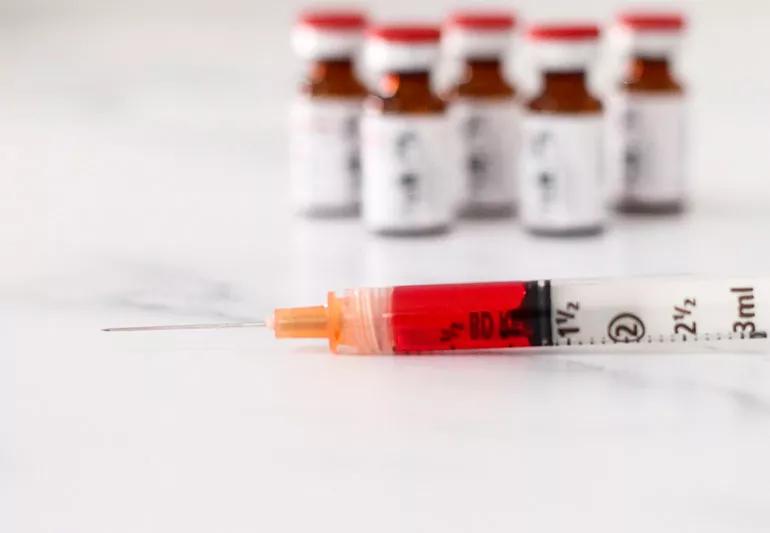
Vitamin B12 injections deliver cobalamin directly into the body—most commonly into muscle tissue—bypassing digestion. That matters when absorption is impaired (for example, certain gastrointestinal disorders) or when clinicians want to rapidly correct deficiency.
Here’s the underlying logic we use in practice: B12 is needed for red blood cell formation and neurologic function. When deficiency is real, correcting it can improve symptoms like fatigue and weakness—sometimes noticeably. But if your fatigue is driven by sleep debt, iron deficiency, thyroid issues, depression/anxiety, medication side effects, or uncontrolled blood sugar, a B12 injection may not produce the energy boost you’re hoping for.
In other words, injections can help if B12 deficiency is the bottleneck. They won’t reliably “stimulate” energy in people who are already replete.
Do B12 Injections Give You Energy? What to Expect
Let’s address the core question directly: does a b12 injection give you energy?
When someone truly has B12 deficiency (or borderline deficiency with symptoms), energy often improves as anemia and neurologic stress begin to correct. The timing can vary based on how depleted the person is, the presence of other nutrient gaps, and how quickly underlying causes are addressed.
Typical symptom response patterns
- Fatigue from anemia components: may improve within days to weeks as blood counts recover.
- Neurologic symptoms (tingling, numbness, balance issues): can take longer and sometimes only partially improve, especially if deficiency has been prolonged.
- “Energy” that feels like wakefulness: may not be dramatic for everyone. I’ve seen patients expect a “caffeine-like” effect and instead experience steadier stamina once deficiency markers normalize.
What I watch for in real consultations
In my experience, the most useful approach is symptom-tracking paired with lab confirmation. I encourage a simple baseline log before starting injections—sleep hours, exertional tolerance, resting heart rate changes, and a fatigue score (even a 0–10 scale). Then we re-evaluate after the clinical window where B12 replacement typically begins to help.
When you might feel no energy improvement
- Your B12 level is already normal, but fatigue has another cause.
- You have concurrent iron deficiency or folate deficiency.
- Thyroid dysfunction, chronic inflammation, or sleep disorders are driving symptoms.
- Neurologic involvement is advanced and may not fully reverse.
Who Typically Benefits From B12 Injections
B12 injections are most appropriate when the body can’t absorb B12 well or when deficiency is confirmed and rapid replacement is clinically useful. In practice, that includes several common scenarios:
1) Absorption problems
- Pernicious anemia (autoimmune-related intrinsic factor deficiency)
- Gastrointestinal disorders affecting absorption (examples include certain inflammatory conditions and post-surgical states)
- Long-term medication effects that reduce B12 absorption in some people
2) Confirmed deficiency with symptoms
If lab testing shows deficiency (or borderline deficiency with supportive findings), injections can correct levels more reliably than oral supplementation for many patients.
3) When adherence is a concern
For some people, weekly or periodic injections are easier to maintain than daily or frequent oral dosing. I’ve found this matters because inconsistent intake can blur the relationship between treatment and symptom improvement.
How B12 Injections Work: The Mechanism Behind the Symptom Changes
B12 plays a role in key cellular pathways. The two big clinical themes are:
- Red blood cell production: deficiency can contribute to megaloblastic changes and anemia-like fatigue.
- Neurologic maintenance: insufficient B12 can impair nerve function, leading to tingling, numbness, and cognitive “fog.”
So if you’re asking whether a B12 injection gives you energy, the more accurate question is whether your fatigue is connected to anemia-related oxygen delivery, neurologic function, or both. When it is, you’re much more likely to notice benefits.
Dose, Schedule, and Lab Monitoring (Practical Expectations)
The exact dosing schedule varies by cause and severity. In real-world care, clinicians typically tailor regimens to whether someone has neurologic symptoms, how low their levels are, and what underlying condition is driving deficiency.
Common monitoring approach
- Baseline labs: often include serum B12 and may include markers like methylmalonic acid (MMA) or homocysteine when clarification is needed.
- Follow-up labs: used to confirm correction, especially when symptoms persist or the cause is uncertain.
- Clinical reassessment: symptom improvement and functional changes guide whether the plan is working.
In my hands-on experience, the most effective teams don’t rely on “injection count” alone—they use a combination of objective markers and how the person actually functions day-to-day.
Risks, Side Effects, and When to Be Cautious
B12 injections are generally well tolerated, but they aren’t risk-free. Possible issues include:
- Injection-site discomfort (soreness, mild swelling)
- Headache or mild GI upset in some people
- Allergic reactions (rare, but seek urgent care if you develop rash, wheezing, or facial swelling)
More importantly, injections can mask the real cause of symptoms if B12 deficiency is not actually the driver. That’s why I consider it a best practice to confirm deficiency rather than guessing.
Injections vs. Oral/Sublingual B12: How to Decide
In many cases, oral or sublingual B12 can work, especially when absorption is partially intact. In my work evaluating patient outcomes, the decision often comes down to cause and degree of malabsorption.
Injections may be preferred if:
- you have pernicious anemia
- there’s significant malabsorption or malabsorption-related surgery
- symptoms are significant and clinician wants predictable repletion
- you have difficulty adhering to oral therapy
Oral/sublingual may be reasonable if:
- deficiency is mild or borderline
- absorption appears adequate
- you prefer non-injectable options and can follow the dosing plan
The best choice is the one that corrects levels and addresses the underlying cause, not just the number on a lab report.
FAQ
How soon will I feel more energy after a B12 injection?
If your fatigue is truly due to B12 deficiency, some people notice improvement within days to a few weeks. Blood count and symptom changes often continue over weeks. Neurologic symptoms, if present, may take longer and may not fully reverse if deficiency has been long-standing.
Can a B12 injection give you energy if your B12 level is normal?
Usually, no meaningful “energy boost” is expected when B12 is already adequate. Fatigue is often caused by other issues (iron deficiency, thyroid problems, sleep disorders, stress, medication effects). Treating the correct cause is what typically improves energy.
What tests should I ask for if I’m considering B12 injections?
At minimum, serum B12 is commonly checked. If results are borderline or symptoms are significant, clinicians may add methylmalonic acid (MMA) and/or homocysteine to better assess functional B12 deficiency, along with evaluation for other causes of fatigue.
Conclusion
Vitamin B12 injections can help with fatigue and “energy” when your symptoms are tied to true B12 deficiency—especially when absorption is impaired. But they’re not a universal stimulant. The most reliable path is confirming deficiency (and checking for other nutrient or medical causes), then tracking symptoms alongside lab monitoring.
Next step: If you’re wondering whether B12 injections will improve your energy, ask your clinician for serum B12 testing (and, when appropriate, functional markers like MMA/homocysteine) and keep a 0–10 fatigue score for two weeks before and after starting treatment so you can measure what actually changes.
Discussion