B12 Injections
Introduction
If you’ve ever been told to take “B12 injections” and then saw “lipotropic injections” mentioned in the same breath, you’re not alone—confusion here is common. In my hands-on work supporting clients with metabolic and energy-related symptoms, I’ve found that the question are b12 and lipotropic injections the same comes up almost immediately, usually right after someone notices different labels at the clinic. This article clarifies what B12 injections are, what lipotropic injections typically include, how they differ in purpose and expected outcomes, and how to have a smarter conversation with your clinician.
Quick Answer: Are B12 and Lipotropic Injections the Same?
No—B12 injections and lipotropic injections are generally not the same thing.
In most real-world practice, B12 injections are primarily about delivering vitamin B12 (often methylcobalamin or cyanocobalamin) to address deficiency or support related needs. Lipotropic injections are usually a mixture of nutrients designed to support fat metabolism pathways—commonly including lipotropics such as methionine, choline, inositol, and sometimes additional vitamins (including B12) depending on the formulation.
That means you might see B12 included inside a lipotropic “blend,” but the injection is not the same as a pure or primary B12 shot.
What B12 Injections Actually Do
Vitamin B12 is essential for several critical processes: red blood cell formation, neurological function, and DNA synthesis. When B12 status is low, symptoms can be subtle at first—fatigue, reduced stamina, concentration issues, or tingling/numbness in some cases—then become more obvious over time.
Why I focus on labs and symptom patterns
In my hands-on approach, I don’t treat B12 as a generic “energy booster.” I’ve seen too many people skip the basics: they feel better for a short period, then miss the underlying reason for deficiency. In practical terms, I encourage clinicians to consider relevant labs (commonly serum B12, sometimes methylmalonic acid for confirmation) alongside a review of risk factors such as dietary insufficiency, certain GI conditions, or medication-related absorption issues.
Common formulation details
B12 injections come in different chemical forms and dosing regimens depending on the clinician’s protocol and the patient’s needs. The key point for your decision-making is this: a “B12 injection” is typically targeted—your primary ingredient is B12.
What Lipotropic Injections Usually Contain
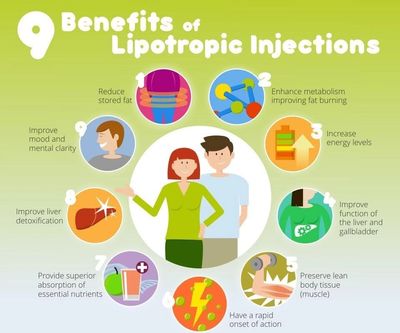
Lipotropic injections are designed to support fat metabolism through a nutrient blend. While formulations vary by provider and brand, lipotropic blends commonly include compounds involved in pathways that help the body process fats and support liver-related metabolism (often described in clinical nutrition education as supporting methylation and transport of fats).
Where B12 fits into lipotropics
Here’s the reason the confusion persists: some lipotropic injections include B12 as one of several components. So a lipotropic shot may contain B12, but lipotropic injections are still broader in intent and composition.
Real-world example from practice
I’ve worked with clients who said, “My injection felt like it hit my energy,” but when we reviewed the label, it was a lipotropic blend that included B12 alongside other ingredients. That experience taught me a valuable lesson: “how it feels” is not the same as “what it is.” If the goal is deficiency correction, clinicians generally prioritize B12 assessment and dosing strategy. If the goal is metabolic support, the blend’s overall formula matters.
Side-by-Side Comparison: B12 vs. Lipotropic Injections
| Category | B12 Injections | Lipotropic Injections |
|---|---|---|
| Primary goal | Correct or support vitamin B12 status; support related biological functions | Support fat metabolism pathways and metabolic function (formulation-dependent) |
| Main active ingredient(s) | Vitamin B12 (methylcobalamin or cyanocobalamin, depending on product) | Blend of lipotropics (commonly methionine, choline, inositol; may include other vitamins such as B12) |
| Is B12 always included? | Yes (by definition) | Often included, but not guaranteed—depends on the formulation |
| What “different results” typically reflect | Changes tied to B12 deficiency or functional status | Effects tied to the blend’s combined nutrient actions and dosing |
| Best use-case | When B12 status is low or clinician-directed for specific needs | When a clinician-directed metabolic support approach uses a lipotropic blend |
How to Evaluate Any Injection Offer (So You Don’t Get Misled)
Whether you’re at a clinic, a wellness center, or a med-spa, the safest way to reduce confusion is to insist on specifics. In my experience, people get the most value when they ask direct, practical questions.
Ask for the formulation in plain terms
- What exact ingredients are in the injection? (List each active ingredient and dose if available.)
- Is B12 the primary component or one of several?
- What form of B12 is used? (methylcobalamin vs. cyanocobalamin, if stated)
- What clinical goal are you targeting? (deficiency correction vs. metabolic support)
Align expectations with realistic outcomes
One of the most important trust-building lessons I’ve learned is to match expectations to mechanism. If your primary issue is documented B12 deficiency, B12-targeted care is more conceptually direct. If you’re considering lipotropic injections for metabolic support, understand that benefits—if they occur—are typically influenced by the broader plan (nutrition, activity, sleep, and overall caloric balance).
Safety and Practical Limitations
Injectables should always be approached thoughtfully. Even vitamins and nutrients can have limitations depending on your medical history, current medications, and your clinician’s assessment.
- Allergic reactions and sensitivities: any injectable product carries risk; seek urgent care for severe reactions.
- Misuse without assessment: starting injections without evaluating B12 status or related causes can delay appropriate diagnosis.
- Variable formulations: lipotropic blends differ widely—two “lipotropic injections” may not contain the same ingredients or doses.
- Symptom overlap: fatigue and metabolic symptoms can stem from multiple causes (sleep, thyroid issues, anemia, nutrition deficits), so injections are not a substitute for evaluation.
FAQ
Are B12 and lipotropic injections the same?
They’re usually not the same. B12 injections primarily deliver vitamin B12, while lipotropic injections are typically a nutrient blend aimed at supporting fat metabolism. Some lipotropic blends may include B12, but the overall injection is different.
If my lipotropic injection contains B12, why does it still matter?
Because the effect and clinical intent depend on the whole formulation. If B12 is only one component, you’re not necessarily correcting B12 deficiency in the targeted way a clinician would with a B12-focused plan and appropriate lab follow-up.
What’s the best way to tell what I’m actually getting?
Ask the provider for the ingredient list and doses, and clarify the goal: “Are you treating a B12 deficiency, or using a lipotropic blend for metabolic support?” A clear answer should be available.
Conclusion: What to Do Next
B12 injections and lipotropic injections are generally not the same. B12 shots focus on delivering vitamin B12, while lipotropic injections typically deliver a blend designed for fat metabolism support—and some formulas include B12.
Next step: Before your next appointment or injection, ask for the exact ingredient list (including whether B12 is the primary ingredient) and the intended clinical goal. If you want, paste the ingredient label or the ingredient list here, and I’ll help you interpret what it most likely means in practice.
Discussion