Vitamin B12
Vitamin B12: When and Why Cattle Need a B12 Injection
If you’ve ever had a group of cattle stall out—poor appetite, weak rebound after stress, or lingering performance issues despite “normal” rations—you already know how frustrating it is. In my hands-on work with dairy and beef herds, I’ve seen how vitamin B12 status can quietly become a limiting factor, especially around transitions (freshening, weaning, transport) or when rumen function is compromised.
This guide explains what vitamin B12 does, how to recognize when supplementation is worth considering, and how to use a vitamin b12 injection for cattle responsibly—based on practical field experience and real-world farm constraints (labor, inventory, withdrawal timelines, and variable feed quality).
What Vitamin B12 Actually Does in the Rumen
Vitamin B12 is best understood as a microbial cofactor in the rumen. Many rumen microbes need B12 to carry out key biochemical reactions that help support energy metabolism and overall microbial efficiency. When rumen microbial activity is optimized, cattle typically convert feed more effectively into usable nutrients—rather than letting energy, protein, or digestion efficiency lag.
Why B12 can become limiting
In healthy rumen conditions, cattle often rely on microbial production of B12. But in practice, we run into scenarios where microbial synthesis or availability may be insufficient. Common triggers include:
- Rumen dysfunction (e.g., suboptimal fermentation after diet changes)
- High-starch or rapidly changing diets that affect rumen stability
- Stress events that reduce feed intake and disrupt rumen turnover
- Manure/fiber management and feed variability that influence microbial balance
What I’ve learned: symptoms aren’t specific
One important lesson from the barn: B12-related problems rarely show up as a clean, single symptom you can “diagnose by look.” Weakness or reduced appetite can stem from minerals, energy balance, parasite burden, inflammation, or ration formulation. That’s why a good approach is to use B12 supplementation as part of a targeted plan—paired with ration review and rumen-supportive management.
When a Vitamin B12 Injection for Cattle Makes Sense
A vitamin b12 injection for cattle is typically considered when you need a predictable way to address B12 availability—especially in animals showing low performance during high-risk periods. In my experience, injections are most useful when:
- Feed intake is inconsistent (cattle aren’t reliably consuming enough to support rumen processes)
- There’s a clear management change (weaning, shipping, freshening) and you’re trying to support recovery
- Rumen function is suspected to be impaired and you want to avoid “waiting it out”
- You’re implementing a defined correction protocol (not randomly dosing without a rationale)
How I decide: a practical checklist
Before using an injection, I look at the pattern and the environment:
- Time course: Did the decline track with diet change, weather stress, or transition?
- Group uniformity: Are only a few animals affected (often points to illness/parasites), or is it broader (often points to management/ration)?
- Ration basics: Are roughage levels stable? Is the bunker/silage consistent? Any recent mixing errors?
- In-rumen risk: Any signs of rumen upset (low cud chewing, inconsistent manure consistency, poor response to feeding)?
- Current interventions: Are you already addressing energy balance, mineral gaps, and hydration?
Injection can be a useful “bolt-on,” but it works best when paired with the root causes you can control.
Product Image: How It Fits Into a Real Use Case
When you’re considering an injection program, the product itself matters—especially the formulation and how it’s intended to be administered. Here’s the product image provided:
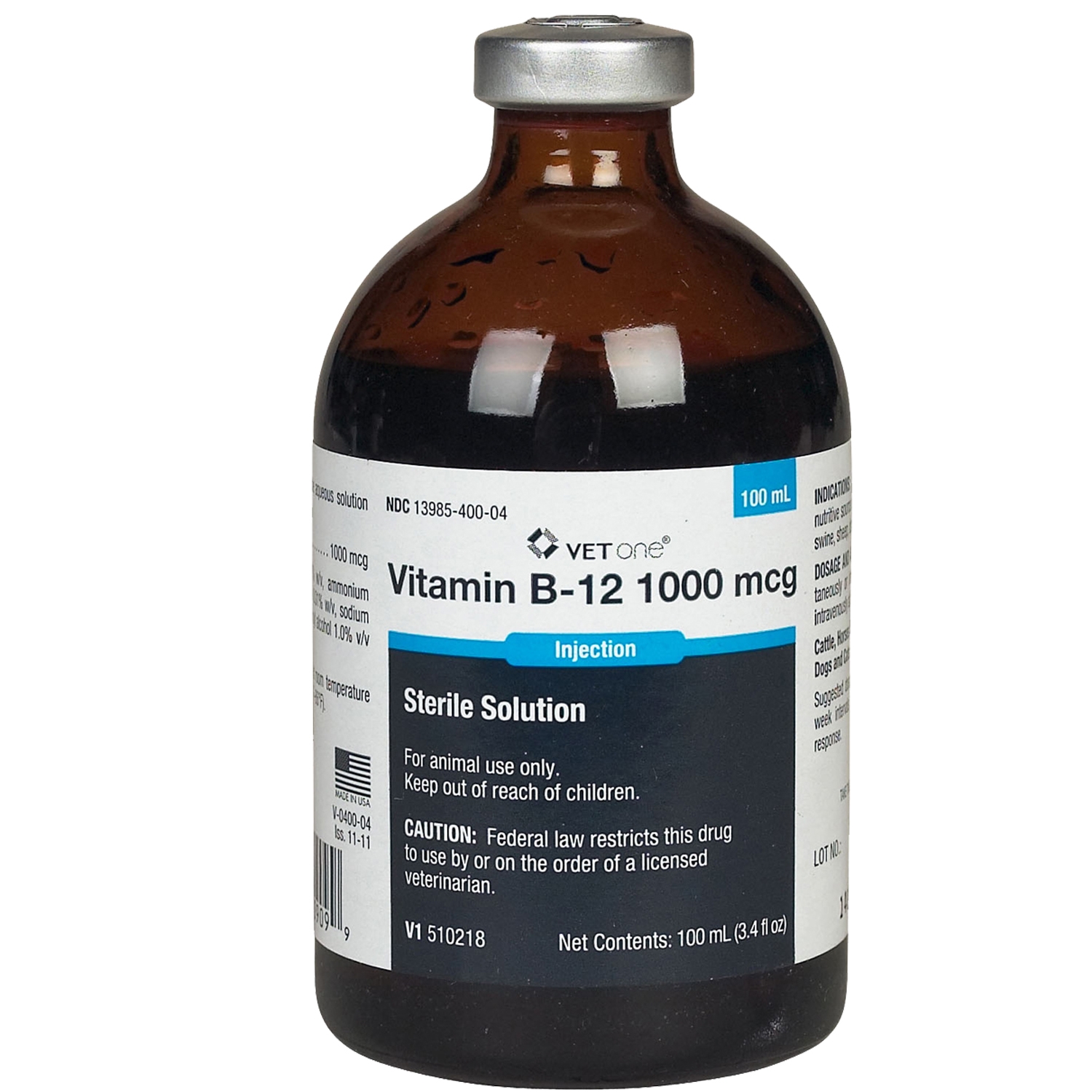
In practice, I always treat the label as the controlling document: concentration, route, dosing frequency, and any withdrawal guidance are not optional details. If you’re doing this as part of herd health, I recommend aligning the injection plan with your veterinarian’s direction and the product label.
How to Use Vitamin B12 Injections Responsibly (Field-Realistic Guidance)
Even when the intent is straightforward, injection protocols can fail due to handling mistakes, timing issues, or poor record-keeping. Here’s what tends to work well in real barns.
1) Timing: support the “risk window”
I’ve seen the best results when supplementation is planned around the period when cattle are most likely to struggle—rather than after performance has dropped for weeks. For example, during transition phases, waiting too long often means you’re correcting after rumen and intake patterns are already altered.
2) Administration: prioritize consistent technique
In my hands-on experience, inconsistent injection technique (wrong site, rough handling, or incomplete dosing) can reduce effectiveness and increase stress. Stress can worsen intake—so technique and animal calmness are not “extra.” They’re part of the outcome.
3) Record everything you can
If you want to know whether the injection program is truly helping, track:
- Animal ID / pen / group
- Date and time
- Dose and route
- Body condition or weight changes (even rough estimates)
- Feed intake notes and any concurrent treatments
This is how you separate “we injected B12 and they improved” from “they improved because intake was already stabilizing.”
4) Combine with ration and rumen management
A vitamin b12 injection for cattle can’t fix a severely imbalanced ration. If roughage quality, mixing accuracy, mineral balance, or fermentation stability are off, B12 support alone won’t carry the whole job. In effective programs, B12 supplementation is paired with:
- consistent feed delivery and mixing
- stable roughage:concentrate ratios
- appropriate mineral supplementation
- rapid response to rumen upset and illness risks
Potential Limitations and Misconceptions
To stay objective: injections are not a universal performance booster. Misuse can lead to wasted labor and false confidence while the real issue persists.
Limitations to keep in mind
- Non-specific symptoms: Low appetite and weakness can be nutritional, infectious, parasitic, or inflammatory.
- Root-cause dependency: If rumen function remains unstable, B12 support may only partially help.
- Label and withdrawal requirements: Always follow the product label and veterinarian guidance; don’t assume “vitamin” means “no rules.”
- Variable farm conditions: Results can differ depending on feed quality, stocking density, and stress management.
In my field experience, the most reliable outcomes come from using vitamin B12 injections as a targeted, time-bound intervention, not a routine substitute for herd nutrition and health management.
FAQ
How do I know if cattle need vitamin B12 injection?
Look for a performance decline that aligns with transition or rumen stress, especially when feed intake is inconsistent. Because symptoms aren’t specific, I base decisions on the overall ration and management picture, and I coordinate with a veterinarian when possible rather than injecting without a plan.
Is a vitamin B12 injection for cattle a replacement for diet correction?
No. B12 injections can support microbial efficiency, but they don’t compensate for major ration problems (roughage quality, mixing errors, mineral imbalance, or illness). I treat it as part of a broader correction protocol.
What’s the safest way to start an injection protocol?
Use the product label dosing and route, keep accurate records by animal or group, and plan timing around the risk window. If your herd is under veterinary oversight, align the plan with your veterinarian’s recommendations and any withdrawal guidance.
Conclusion: A Practical Next Step
Vitamin B12 supports rumen microbial processes that influence how efficiently cattle convert feed into productive outcomes. When conditions disrupt rumen function or intake—especially during transitions—a vitamin b12 injection for cattle can be a practical, targeted tool. But the best results come from combining injection timing with ration stability, rumen-supportive management, and solid record-keeping.
Next step: Choose one at-risk group (e.g., post-weaning or fresh transition), review ration and feeding stability for that window, then develop a simple injection-and-monitoring plan (animal IDs, dates, expected indicators) in line with the product label and your veterinarian’s guidance.
Discussion