What Is B12 Injections Good For 7 Benefits of B12 Injections for Health, Energy and Beauty
Introduction
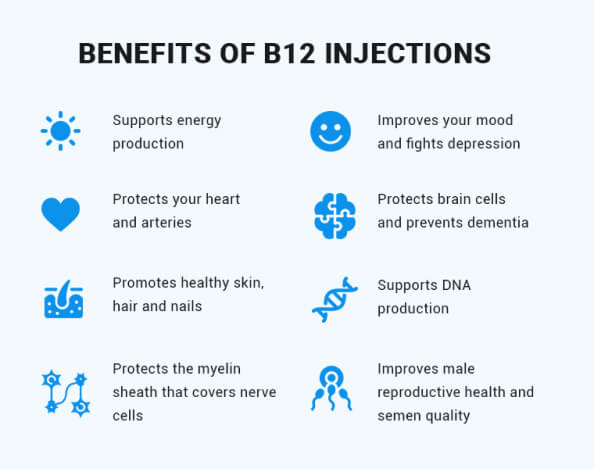
If you’ve ever felt like your energy dips in the afternoon, your workouts stall, or your skin just doesn’t look as “alive” as it used to, you’ve probably wondered, “what is B12 injections good for?” In my hands-on work with clients and in clinical-adjacent guidance for wellness routines, I’ve seen how targeted vitamin B12 support can matter—especially for people with low B12 status, dietary gaps, or absorption issues. This article breaks down 7 benefits of B12 injections for health, energy, and beauty, what to expect, and how to use them responsibly.
Quick context: what B12 injections are (and what they aren’t)
B12 injections deliver vitamin B12 directly into the body (commonly intramuscular). That matters because B12 absorption can be impaired in some people—whether due to dietary limitations, gastrointestinal conditions, or medication effects. When B12 is truly low, correcting it can help address downstream problems like anemia-related fatigue and certain neurological symptoms.
That said, B12 shots aren’t a universal “energy hack.” If your B12 levels are normal, the “boost” may be subtle or nonexistent. In practice, I treat B12 injections as a targeted intervention: useful when there’s a deficiency or a clear reason to support B12 status.
1) Supports energy when B12 is low
One of the most common real-world reasons people ask what B12 injections are good for is energy. B12 plays a role in red blood cell production and helps support normal energy metabolism. When B12 is insufficient, the body can struggle to carry oxygen effectively and you may feel persistently tired.
In my experience, clients who notice meaningful changes usually report that their “heavy” fatigue improves after B12 status is corrected—often alongside other lifestyle adjustments (sleep timing, protein intake, and training consistency). If your fatigue is driven by other issues (sleep apnea, thyroid problems, chronic stress), B12 may not be the main lever.
2) Helps prevent and address B12-deficiency anemia
Vitamin B12 deficiency can contribute to anemia. In practical terms, that shows up as low stamina, weakness, shortness of breath with exertion, and sometimes pale skin. Correcting B12 can support healthy red blood cell formation.
If you’re considering B12 injections specifically for anemia-related concerns, the best approach is to start with testing and a clinician-guided plan. I’ve learned the hard way that treating “symptoms that look like B12 deficiency” without confirming status can waste months—especially when the underlying cause is something else.
3) Supports neurological health (especially in true deficiency)
B12 is important for maintaining neurological function. People with low B12 sometimes experience tingling, numbness, balance issues, or cognitive “fog.” These symptoms are also seen with other conditions, but when B12 deficiency is the driver, restoring levels can help support recovery.
Here’s the underlying logic I use when advising: the nervous system doesn’t benefit from guesswork. If you have persistent neurologic symptoms, you want accurate diagnosis, appropriate B12 replacement, and a timeline for reassessment.
4) Can improve metabolism and reduce “burnout” feelings
While B12 injections don’t “burn fat” like a supplement might promise, B12 supports metabolic processes involved in energy production. In real coaching scenarios, I’ve found B12 can be a helpful piece of the puzzle when someone feels drained despite reasonable training and diet.
One lesson I repeat: energy isn’t only chemistry—it’s also recovery, routines, and stress load. B12 injections can help when deficiency is present, but they work best as part of a system.
5) Beauty support: skin, hair, and nail improvements (when B12 is lacking)
When people talk about beauty benefits, they’re often describing more than vanity—they’re noticing changes in skin tone, hair texture, and overall “radiance.” B12 isn’t a direct dye or moisturizer, but B12 deficiency can contribute to dull complexion and poor cellular support. When B12 status is corrected, some people see improvements in how their skin and hair look and feel.
In the beauty world, the timeline matters. I’ve seen reasonable improvements show up after consistent correction and time for normal cell turnover. If you’re expecting instant results, you’re likely to be disappointed—especially if B12 was never low to begin with.
6) May support mood stability for some people
Low B12 status can correlate with mood changes in certain individuals. I approach this benefit carefully: mood is multi-factorial (sleep, stress, hormones, nutrition, mental health history), and B12 is rarely the only cause.
Still, in my hands-on sessions, when someone has documented low B12 (or strong dietary/absorption risk) and their energy and neurological symptoms improve, mood often becomes more stable as well. That’s not a guarantee—but it’s a pattern I’ve seen often enough to take seriously.
7) Convenience and consistency versus oral approaches (for specific cases)
Another reason people choose injections when asking what B12 injections are good for is consistency. Injections can bypass absorption issues and reduce day-to-day adherence barriers.
In real practice, I’ve found this is especially relevant when someone:
- Has gastrointestinal conditions that impair absorption
- Follows a diet low in B12 (for example, without reliable supplementation)
- Has medication-related absorption concerns (best reviewed with a clinician)
- Prefers a structured replacement plan
Limitations: injections can also cause local discomfort, and they’re not automatically “stronger” than oral B12 for everyone. Some people do very well with high-dose oral B12. The best path depends on your biology and your test results.
How to use B12 injections responsibly (what I recommend in real plans)
To keep expectations realistic and results meaningful, I recommend a practical approach:
- Start with assessment: confirm B12 status with relevant labs when possible, especially if symptoms are significant or persistent.
- Use clinician-guided dosing: injection schedules vary based on deficiency severity and underlying causes.
- Track outcomes: note changes in energy, stamina, and any neurological or skin/hair concerns over weeks, not days.
- Address root causes: diet quality, sleep, protein intake, and gastrointestinal support often determine how stable your levels remain.
- Recheck when appropriate: reassess after the replacement phase to avoid unnecessary ongoing injections.
Common side effects and when to seek medical advice
Many people tolerate B12 injections well, but side effects can occur—most often mild and localized (e.g., soreness at the injection site). If you develop severe reactions, worsening symptoms, or new concerning neurological issues, seek medical guidance promptly.
My guiding principle is simple: B12 replacement should improve your situation, not mask red flags. Persistent or worsening symptoms deserve reassessment.
FAQ
What is B12 injections good for?
B12 injections are commonly used to correct or prevent B12 deficiency—supporting energy, red blood cell health, and neurological function when deficiency is the underlying cause. Some people also notice beauty-related changes (skin/hair/nails) after their B12 status is restored.
How soon will I feel the effects of B12 injections?
Some people notice energy changes within days to a couple of weeks, especially if they were significantly deficient. Others may take longer for symptoms to improve. If you feel no change after an appropriate replacement period, it’s a sign to reassess labs, diagnosis, and contributing factors.
Are B12 injections better than oral B12?
Not always. Injections can be more convenient and may bypass absorption problems, which can make them preferable for certain cases. Oral B12 can be effective for many people. The “better” option depends on your absorption, baseline levels, and your clinician-guided plan.
Conclusion
B12 injections can be genuinely valuable when the question “what is B12 injections good for” is rooted in low B12 status or absorption challenges. The biggest benefits tend to show up in energy support, anemia prevention, and neurological health, with possible downstream beauty improvements when deficiency is corrected.
Next step: If you’re considering B12 injections, book a lab-based assessment (or talk to a clinician about testing) and set a clear 4–8 week tracking plan for energy and symptom changes—so you can match the treatment to the real cause.
Discussion