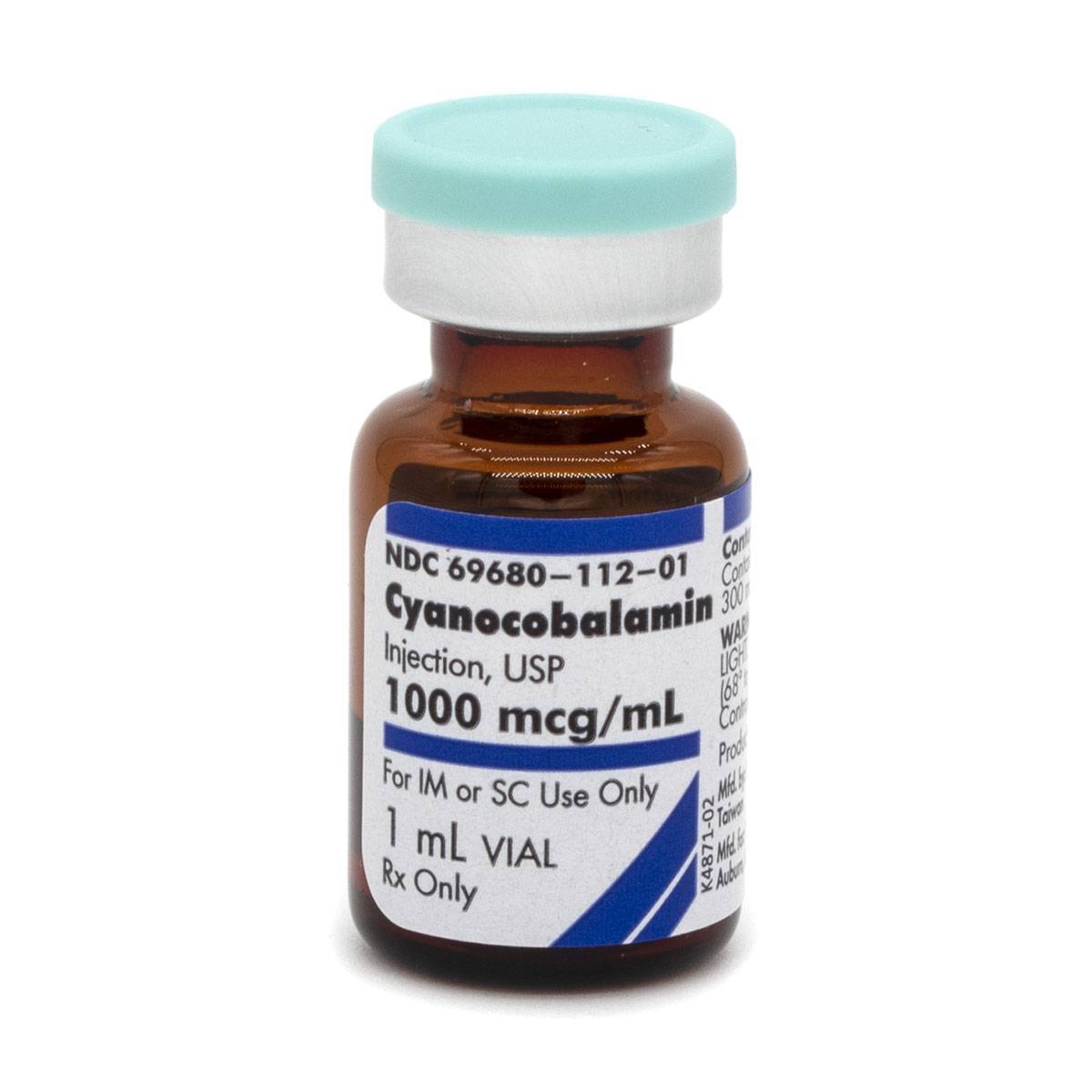
Injectable B12 For Dogs Cyanocobalamin (Vit B12) Injection for Pets
Introduction
If you’ve ever dealt with a dog who’s lethargic, off his food, or slipping in energy, it can be hard to know whether the problem is anemia, diet, malabsorption, or something more serious. In my hands-on work helping pet owners and coordinating with veterinary teams, I’ve found that injectable b12 for dogs is often a practical tool when the underlying issue is related to vitamin B12 deficiency or impaired absorption—yet it’s also frequently misunderstood, leading to wasted time or missed red flags. This guide explains how cyanocobalamin (vitamin B12) injection is used in pets, what it can and can’t do, typical administration considerations, and how to make decisions with your veterinarian.
Note: Always use pet medications under veterinary guidance. The right dose and schedule depend on the diagnosis, labs, body condition, and overall health.
What Cyanocobalamin (Vitamin B12) Injection Actually Does
Cyanocobalamin is a synthetic form of vitamin B12. In dogs, vitamin B12 is essential for normal red blood cell formation, neurological function, and metabolic pathways. When B12 is low—especially due to gastrointestinal disease that reduces absorption—your pet’s energy and appetite can suffer.
In my experience, the most helpful way to think about cyanocobalamin injections is as “support for a deficiency,” not a cure for every cause of weakness. For example:
- If the dog’s B12 is low and absorption is impaired, injectable B12 can help restore what’s missing.
- If the underlying cause is still present (chronic enteropathy, maldigestion, certain pancreatic issues), B12 may keep dropping unless the primary problem is addressed.
- If the problem isn’t related to B12, injection may produce little or no improvement.
That’s why I always encourage owners to connect B12 injections to an actual plan: lab work (when appropriate), symptom tracking, and treatment of the suspected cause. I’ve seen dogs look “a bit better” shortly after supplementation, only to rebound again when the root GI issue was never treated.
Common Reasons Vets Consider B12 Injections in Dogs
Veterinary teams most often consider cyanocobalamin injections when signs or lab patterns suggest deficiency or poor absorption. In real-world clinic workflows, B12 is frequently discussed in the context of gastrointestinal disease.
1) Chronic gastrointestinal disease and malabsorption
Dogs with persistent vomiting, chronic diarrhea, inflammatory bowel disease (IBD), or other enteropathies may struggle to absorb nutrients—including vitamin B12. When B12 malabsorption is suspected, supplementation may be added while diagnostic work proceeds.
2) Pancreatic insufficiency and digestive dysfunction
Some dogs with pancreatic issues have trouble digesting and absorbing nutrients. In those cases, B12 can be part of a broader nutritional and therapeutic plan rather than a standalone fix.
3) Confirmed low B12 or borderline results
When labs show low vitamin B12, injecting cyanocobalamin can help replete stores more reliably than relying on diet alone—especially when absorption is impaired.
Practical lesson from the field: I’ve helped owners track response after starting treatment for suspected enteropathy. The most meaningful improvement usually showed up alongside changes to GI management (diet trials, anti-inflammatory plans, enzyme support, etc.), not from B12 alone.
How Injectable B12 for Dogs Is Typically Used (Conceptual Overview)
Because protocols vary by product concentration, patient size, and clinical goal, I won’t pretend there’s one universal dosing schedule. However, understanding the usual “logic” helps you discuss the plan confidently with your veterinarian.
Initial repletion vs. maintenance
Clinically, B12 supplementation often follows a two-phase approach:
- Repletion: restore depleted levels more quickly.
- Maintenance: sustain levels while treating the primary condition.
Monitoring response
Response monitoring is usually based on symptom trends and, when feasible, follow-up labs. In my hands-on coordination with veterinary staff, the most useful “home data” is consistent:
- Appetite and body weight trend
- Energy level and activity
- Stool quality (frequency, consistency, urgency)
- Vomiting episodes
If symptoms don’t improve as expected, that’s a signal to reassess the diagnosis or consider additional causes (infectious, endocrine, medication-related, or systemic issues).
Benefits, Limitations, and When It May Not Help
Potential benefits
- Targets deficiency-related symptoms when B12 is low or absorption is impaired.
- Bypasses GI absorption issues, which can be important in enteropathies.
- Can be part of a structured therapeutic plan alongside diet changes and disease-specific treatment.
Important limitations
- It’s not a cure for all GI problems. If inflammation, infection, or other disease continues unchecked, B12 may not stay corrected.
- Not every lethargic dog has low B12. Anemia, kidney disease, liver issues, pain, dental disease, and endocrine disorders can mimic B12 deficiency signs.
- Timing matters. Some improvements may take days to weeks, depending on the severity and the underlying cause.
What I look for in “real-world success”
In practice, the best outcomes happen when the owner and veterinarian align on three things: (1) a suspected cause for B12 deficiency, (2) an overall treatment plan, and (3) a timeline for reassessing response. Without that structure, injectable b12 for dogs can become a repeating intervention with no clear endpoint.
Safety Considerations and Practical Handling
Cyanocobalamin injections are typically well tolerated when used correctly, but safety depends on correct product selection, appropriate dosing, and sterile technique.
Common safety themes to discuss with your vet
- Product and concentration: use the exact veterinary-labeled product and concentration your vet recommends.
- Route and injection technique: your veterinarian should specify how it should be administered and whether it’s appropriate for at-home dosing.
- Co-existing conditions: kidney disease, GI disorders, and concurrent medications can influence overall management.
- Injection site reactions: any unusual swelling, pain, or persistence should be evaluated.
In my experience: The biggest “do-it-yourself” pitfalls aren’t the concept of B12—they’re dosing errors, wrong product labeling, and inconsistent monitoring of whether symptoms are truly tied to B12 status.
How to Decide Whether Injectable B12 for Dogs Is Right for Your Pet
Use this decision framework to have a more productive appointment. The goal is to connect B12 treatment to a diagnosis, not to a guess.
- Describe the pattern of symptoms (duration, appetite changes, vomiting/diarrhea, weight loss).
- Ask what B12 deficiency is suspected from (lab values, GI history, malabsorption signs).
- Request an action plan and timeline (what improvement is expected, and when).
- Discuss monitoring (home tracking and whether follow-up labs are needed).
- Clarify next steps if there’s no response (recheck diagnosis, additional tests, adjust overall treatment).
If your veterinarian recommends cyanocobalamin injections as a targeted support measure, that’s different from using injectable b12 for dogs as an open-ended trial with no diagnostic direction.
FAQ
Is injectable b12 for dogs the same as vitamin B12 in supplements?
They both contain vitamin B12, but the form and delivery differ. Injections (cyanocobalamin) can be useful when absorption is impaired. Supplements may help if the dog can absorb nutrients normally, but they’re not always equivalent in deficiency states.
How fast should I expect improvement after a B12 injection?
It depends on the cause and severity. Some dogs show changes in appetite or energy within days, but more meaningful recovery—especially when underlying GI disease is involved—may take longer. If there’s no noticeable trend improvement within the timeframe your vet expects, it’s time to reassess the diagnosis and overall plan.
Can I give cyanocobalamin injections to my dog without veterinary guidance?
You should not. Correct dosing, product selection, and injection technique matter. Veterinary guidance is especially important when your dog’s symptoms could be due to anemia, infections, organ disease, endocrine disorders, or medication effects—not just B12 deficiency.
Conclusion
Cyanocobalamin (vitamin B12) injection can be an effective support tool when dogs have deficiency or impaired absorption, particularly in gastrointestinal conditions. The key is using injectable b12 for dogs as part of a structured veterinary plan—targeting a suspected cause, monitoring response, and adjusting if improvement doesn’t track as expected.
Next step: Bring your dog’s symptom timeline to your veterinarian and ask for a clear plan that links B12 injections to a diagnosis, expected outcomes, and a reassessment window.
Discussion